Conversa Blog
Learn. Grow. Speak.
Tips, updates, and insights for language learners

Circle Back, Touch Base: US Corporate Jargon Phrases, Decoded
Corporate jargon phrases decoded for the non-native person in the meeting: what circle back, touch base and put a pin in it signal, and which never to say.

Do vs Make, Say vs Tell: One Verb at Home, Two in English
Hacer, machen and 做 cover do and make; English split them. One question settles do vs make, say vs tell and borrow vs lend, plus which pairs your language merges.

B and V for Spanish Speakers: Why 'Seven' Sounds Like 'Seben'
Standard Spanish has no /v/, and between vowels it softens your B too. Why 'seven' lands as 'seben', why 'a big job' goes soft, and drills by position.

Phrasal Verbs with Get: Most of Them Read Themselves
Not 177 phrasal verbs with get. Cambridge's beginner dictionary lists nine. The particle rule covering most of the rest, and the test for splitting them.

British vs American Words: The Ones That Actually Cost You
Pants gets you a laugh. "Let's table it" gets you a reversed decision. American vs British English words, ranked by what each one actually costs you.

Walked or Walk-ed? -ed Ending Pronunciation in One Question
Walked has one syllable, walk-ed has two. The -ed ending pronunciation rule is one throat check that picks between /t/, /d/ and /ɪd/.

English Filler Words, and How to Ask Someone to Repeat
You were told to stop saying um. Silence is what marks you as lost. The English filler words worth learning, and what to say when you miss a sentence.

Connected Speech in English: Why Fast Speech Sounds Like One Word
You know every word and still catch nothing. Connected speech links, reduces and deletes sounds in predictable places. The rules that let you hear them.

British vs American English Pronunciation: Which One Do You Have?
Say car, water, dance and schedule out loud. Three British vs American pronunciation differences are real systems. The rest is a word list you memorise.

How to Respond to "How Are You?": It Isn't Really a Question
"How are you?" from a cashier is a greeting, not a question. The four-beat script, the default answer, and how to tell when someone is really asking.

Comb, Salmon, Knight: Words With Silent Letters You Mishear
You know the word comb. A native says /koʊm/ and you miss it. The sound patterns behind English silent letters, and why hearing beats reading.

F and V for Filipino Speakers: Why 'Fork' Sounds Like 'Pork'
Native Tagalog has no /f/ or /v/, so 'fork' lands as 'pork' and 'very' as 'berry'. The Spanish-loanword trap, the mirror test, and what the data really shows.

Do AI Conversation Partners Work? Yes, If You Use Them Right
Do AI conversation partners work? Four meta-analyses say yes. Here is what the research says makes speaking practice pay off, and how to build six weeks of it.

Kansai-ben vs Standard Japanese: The Anime Listening Gap
Anime stacks three Kansai-ben swaps into one clause: や for だ, へん for ない, and a pitch pattern your trained ear files as the wrong word.

Korean counters: why 'two coffees' is 커피 두 잔, not 둘 잔
Korean counters reshape the number before them: 하나 becomes 한, 둘 becomes 두, and 스물 becomes 스무. Five forms, ten counters, and where they go in the sentence.

Mandarin -n vs -ng: The Nasal Finals Even Natives Merge
陈 Chén and 程 Chéng differ by one letter, and it isn't the one you're listening for. Here's which Mandarin nasal finals really merge, and which are free.

Spanglish Words Have a Map: Troca Out West, Troque Out East
Troca out West, troque out East, pon in San Juan. Spanglish words have regional addresses and dictionary entries. Here's the map, and why not to correct them.

The Spanish Lisp: Why Madrid Says Gra-thias and Mexico Gra-sias
Gracias is gra-thias in Madrid and gra-sias in Mexico City, and neither is a lisp. What distinción and seseo are, where each is spoken, and which one to learn.

Should You Learn Hanja? No. Learn These 20 Korean Roots Instead
You don't need to learn hanja or write one Chinese character. Learn 20 Sino-Korean roots in Hangul and 학 alone hands you 학교, 학생, 대학, 과학, 수학, and 방학.

Chinese Homophone Taboos: Never Give a Clock, Never Say 250
Giving a clock in Chinese sounds exactly like attending a funeral. A guide to Chinese homophone taboos: the words that collide, why, and what to say instead.

K-Drama Korean vs Real Korean: What's Safe to Say Out Loud
헐 and 야! are everywhere in K-dramas and cost you with a stranger. The K-drama phrases you shouldn't say in real life, plus what to say instead.

Why Spanish Speakers Drop the S (Madrid Drops the D)
Dominican Spanish drops the S. Madrid drops the D. Neither is lazy. Here's the rule behind ¿Cómo e'tá?, and how to rebuild what you can't hear.

Gwaenchanayo Means Yes, No, and No Thanks: Korean Politeness
Gwaenchanayo (괜찮아요) means "I'm fine," "no thanks," and "go ahead." Here's how to hear which one you got, plus five Korean politeness moves that misfire.

Cantonese or Mandarin in Chinatown? The Answer Changes by Block
Manhattan, Flushing and Sunset Park speak three different Chinese languages. Here's what your Mandarin does and doesn't get you in a US Chinatown.

How to Pronounce LL in Spanish: Po-yo, Po-jo, or Po-sho?
Pollo is PO-yo in Mexico, PO-jo in Medellín, PO-sho in Buenos Aires. How to pronounce ll in Spanish, which one to say, and the y that stays a vowel.

Busan or Pusan: 4 Korean Romanization Traps for English Eyes
Korea swapped romanization systems in 2000, and 부산 became Busan. Here are the four places the roman letters mislead English eyes, and how to read past them.

How to Pronounce Italian Double Consonants: Shorten the Vowel
Italian double consonants change meaning: penna is a pen, pena is sorrow. Hold the consonant, shorten the vowel, and drill the pairs that matter.

zh, ch, sh vs z, c, s: The Merger Your Textbook Audio Hid
Across Taiwan and southwest China, zh, ch, sh soften toward z, c, s and your listening falls over. Here's the cue natives use instead of the consonant.

Korean ㄹ Pronunciation: Is It R or L? Position Decides
라면 starts with an R sound and 물 ends with an L, from the same letter. Korean ㄹ is one sound you already make in "butter." Position tells you which is which.

Vet or Wet? V and W Pronunciation for Hindi and Urdu Speakers
Vet and wet sound identical because Hindi and Urdu give you one sound between V and W. The V and W pronunciation fix, plus the retroflex T in water.

Why Japanese desu sounds like 'des': the vowels you can't hear
Japanese switches off the i and u in desu, suki and gozaimasu. Learn where the vowel drops, why you sometimes still hear it, and why it wrecks listening first.

Asked Becomes 'Ast': Why Chinese Speakers Drop Final Consonants
Mandarin allows only /n/ and /ŋ/ to end a word, so English consonant clusters break or drop. The final consonant you lose is usually your past tense.

Final Consonants for Vietnamese Speakers: Why 'Like' Becomes 'Lie'
Vietnamese allows six consonants at the end of a word. English wants a dozen more. Why 'like' becomes 'lie', why -ed and -s vanish, and the fix that works.

Busan Satoori vs Seoul Korean: The K-Drama Listening Gap
Gyeongsang keeps a pitch system and a question ending Seoul Korean deleted. Here's how to decode Busan satoori in K-dramas, plus Jeolla and Jeju.

Ship vs Sheep for Spanish Speakers: Why Longer Isn't the Fix
Ship vs sheep pronunciation for Spanish speakers: why holding the vowel longer fails in American English, plus the pool/pull pair and two mirror checks.

How to Say 'You' in Korean: Skip 당신, Use a Name or Title
당신 is in every Korean dictionary and almost never in real speech. How to say 'you' in Korean instead: dropped subjects, name + 씨, and 사장님 for strangers.

Bat vs Bet, Ship vs Sheep: English Vowels for Korean Speakers
Korean merged ㅐ and ㅔ and dropped vowel length, so bat/bet and ship/sheep collapse. The Konglish spelling trick and the pronunciation fix that works.

French Numbers 70 to 100: You're Doing Math Mid-Sentence
French numbers 70 to 100 are base-20 arithmetic you have to do in real time. Learn the ambiguity window, the soixante et onze trap, and the phone-pair drill.

Spanish Diminutives: -ito Almost Never Means 'Small'
In the Mexican press only 8% of Spanish diminutives meant 'small.' What -ito, -illo and -ico actually do: warmth, hedging, sarcasm, and where you're from.

Japanese Onomatopoeia Isn't Baby Talk: Giongo vs Gitaigo
Japanese onomatopoeia isn't baby talk. Sort giongo from gitaigo, learn the pain words a doctor expects, and the と/する grammar that makes them work.

German Umlaut Pronunciation: Ü and Ö Are Just Rounded Lips
German umlaut pronunciation, fixed: your tongue already knows ü and ö. Say ee, round your lips, move nothing else. Plus why the 'bird' advice wrecks your ö.

What Means This? Do, Does, Did for Spanish Speakers
Spanish has no auxiliary "do," so "What means this?" and "I no understand" come from the same missing word. Here is the one rule that fixes both.
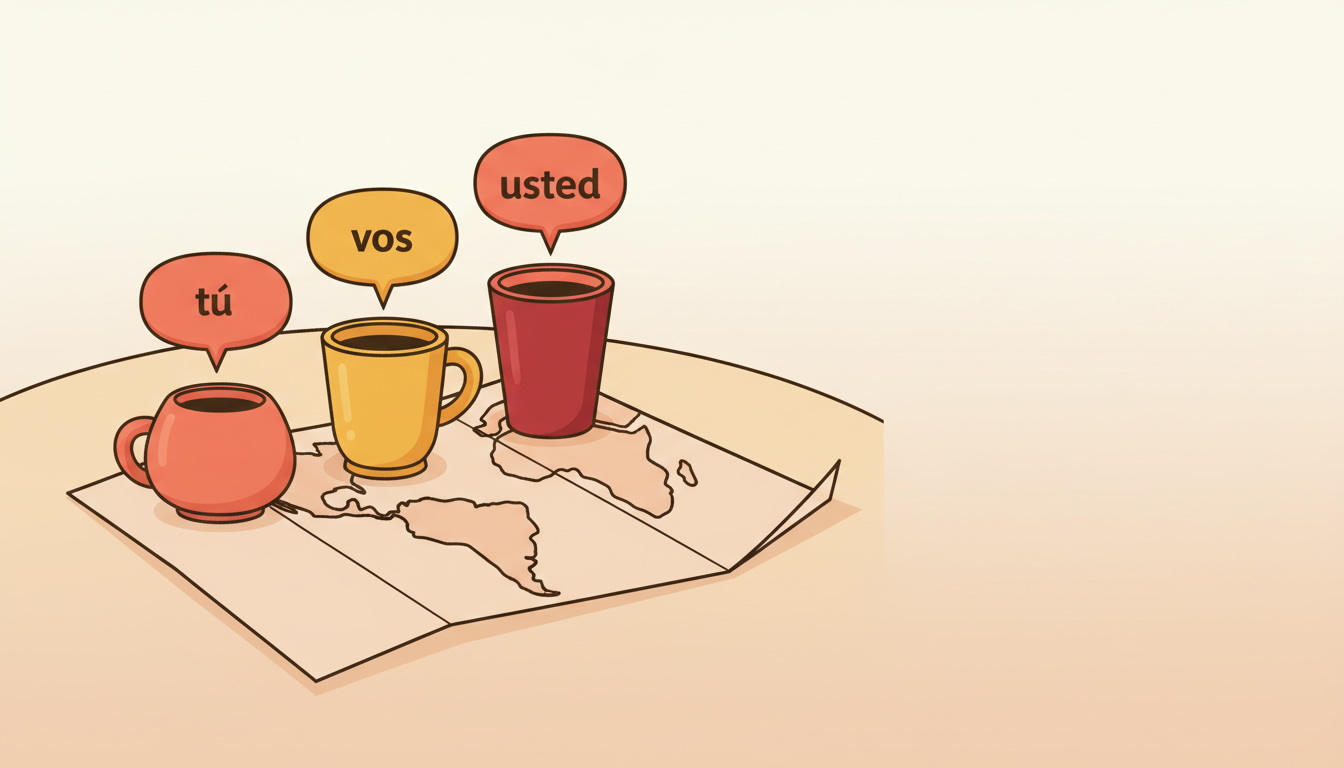
Tú vs Usted vs Vos: The Spanish 'You' Map by Country
Argentina says vos, Bogotá says usted, Mexico says tú. A country-by-country map of the Spanish second-person pronouns, plus voseo conjugations.
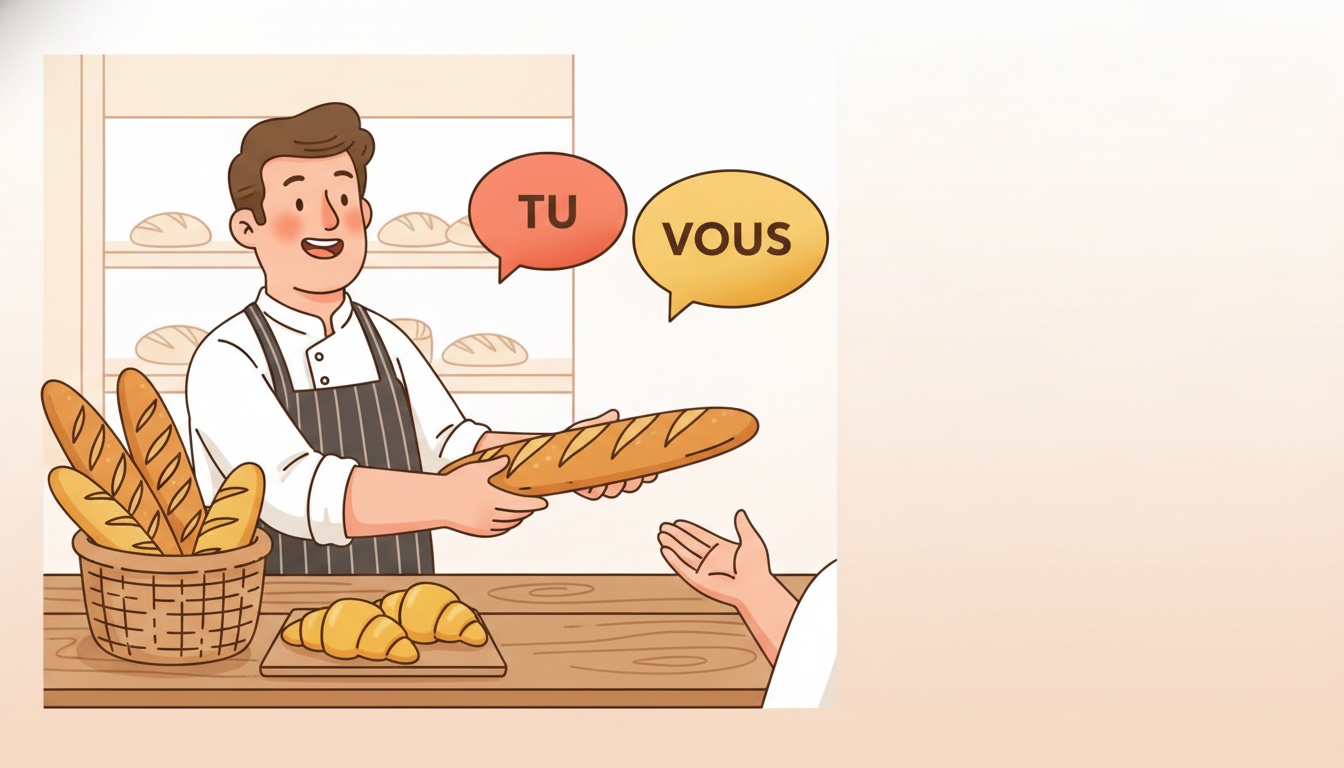
Tu vs Vous in French: How to Pick, Switch, and Recover
Tu vs vous in French isn't a politeness dial. Who gets to offer the tu, what vous hides about plurals, and the line that repairs a wrong guess.

Cafezinho Isn't a Small Coffee: Portuguese Diminutives Decoded
Brazilians add -inho to everything, and it almost never means "small." Learn what the Portuguese diminutive is really signaling, and when it is a warning.

Você vs Tu vs A Gente: Two Take He/She Verbs, Tu Doesn't
Você vs tu vs a gente: three of the four Portuguese ways to say you take he/she verb endings. Here's the historical reason, and which set to learn first.

Portuguese Preterite vs Imperfect: Which Verb Is the Scenery?
Portuguese preterite vs imperfect isn't completed vs ongoing. Imperfeito is the scenery, perfeito is what walks into frame. Tested on a real fairy tale.

French U vs Ou Pronunciation: Move Your Tongue, Not Your Lips
French u vs ou pronunciation goes wrong at the tongue, not the lips. Get the ee-then-round drill, the tyoo trap, and the pairs that change what you said.
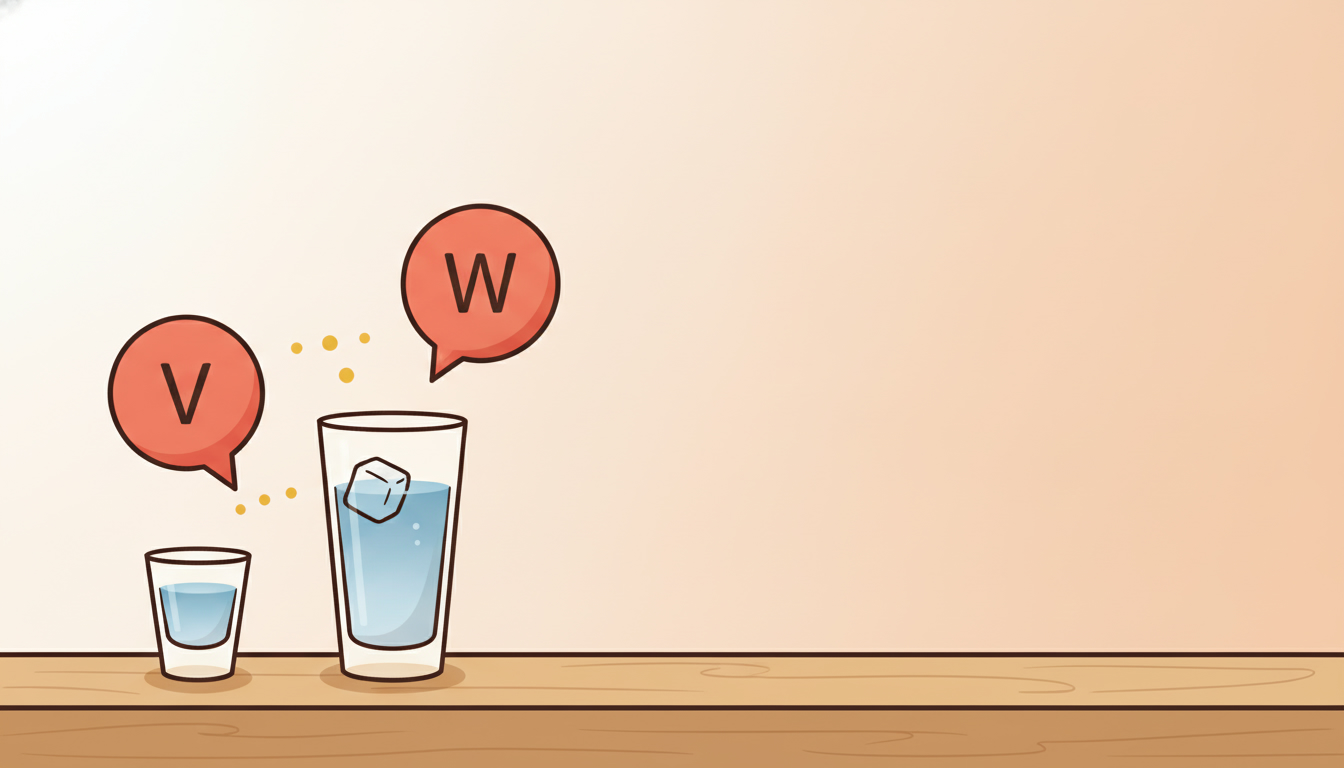
Vater, Wodka: W vs V Pronunciation for Russian Speakers
Russian speakers say "vater" for water, then over-correct to "wodka." The two-way W vs V pronunciation drill that fixes both, built from a sound you have.

Why Russians Don't Smile at Strangers, and What to Say Instead
Russians don't smile at strangers and «как дела» isn't small talk. The English politeness reflexes to drop, and the Russian phrases that replace them.
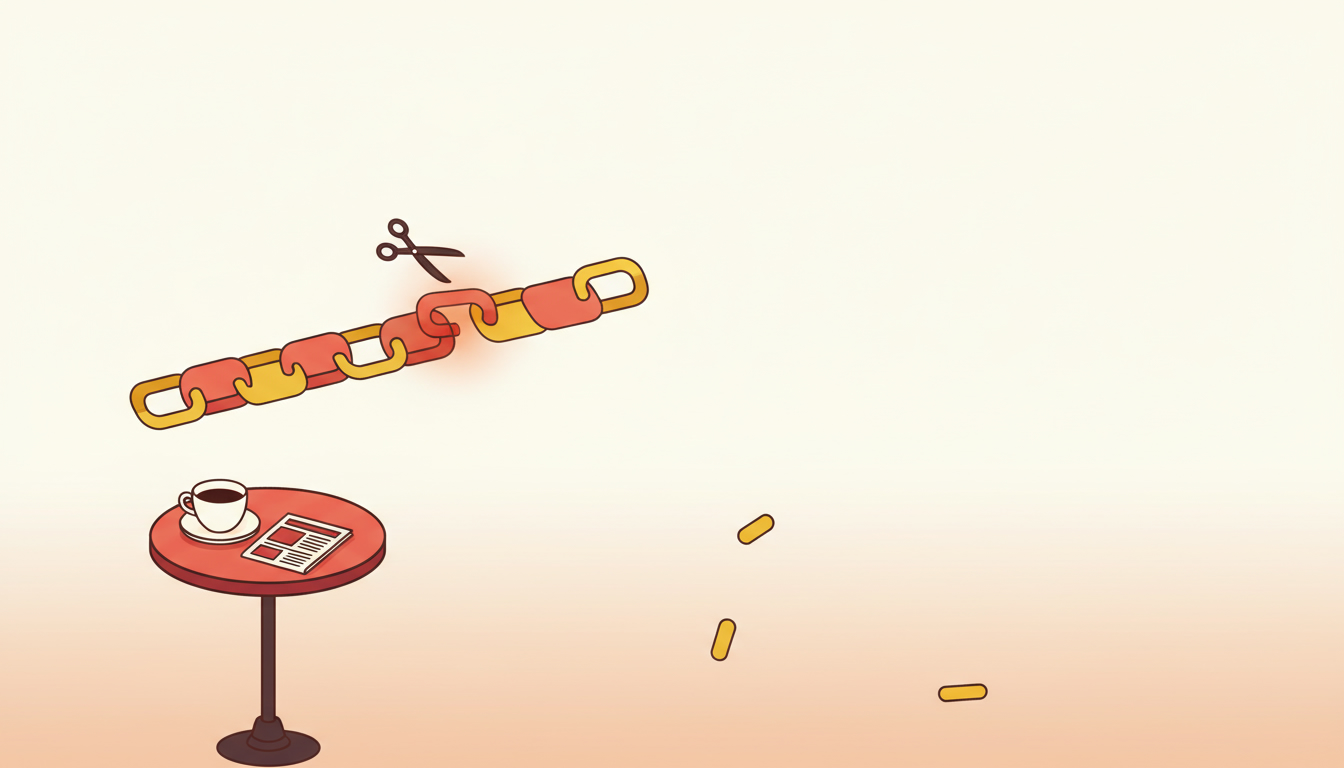
French Liaison Rules: Why You Can Read French but Can't Hear It
French liaison erases the word gaps your eyes rely on. Learn the three linking sounds, the h aspiré traps, and how to decode spoken French by ear.
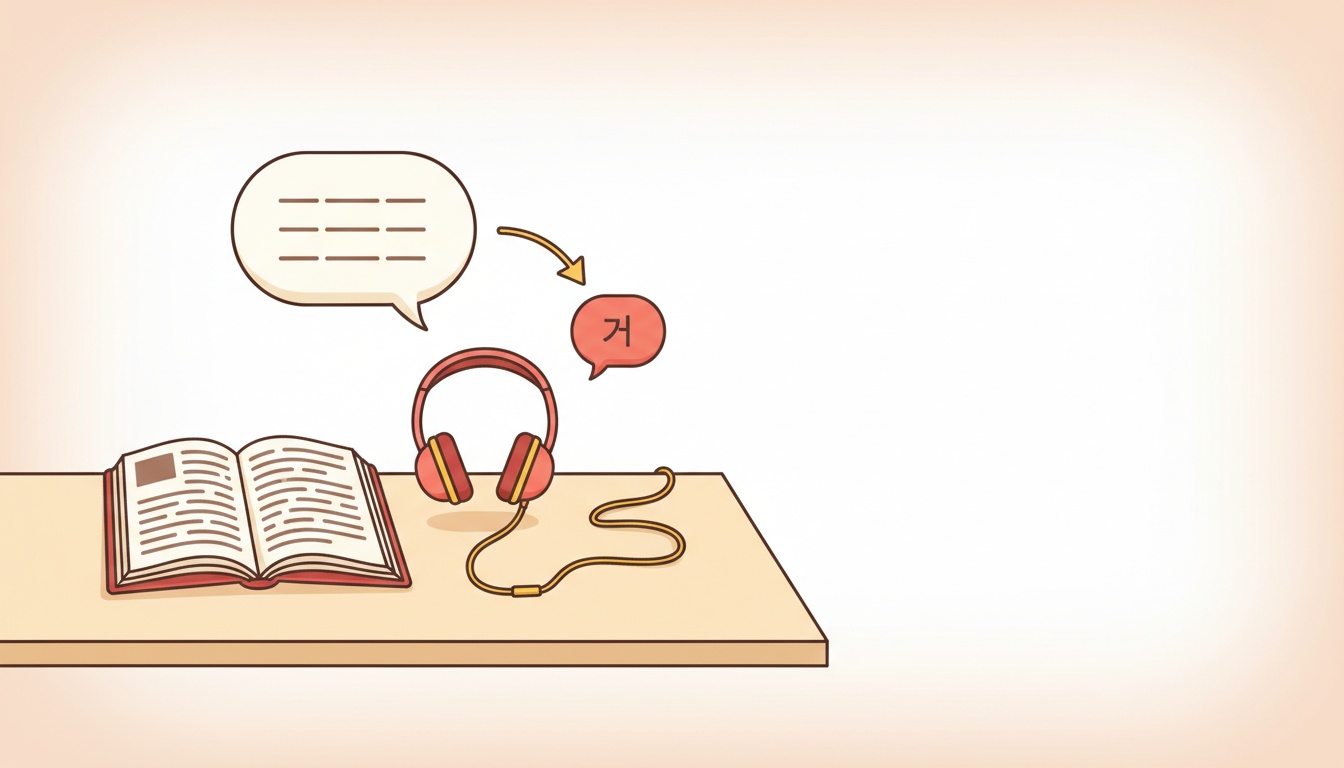
Korean Contractions: The 거/게/걸/건 Your Textbook Skips
Korean contractions like 거, 게, 걸, and 건 run real speech but barely appear in textbooks. Learn the spoken forms that make Korean listening click.
"She Very Beautiful": Why Chinese Speakers Drop "Is" in English
Mandarin adjectives are already verbs, so 她很漂亮 needs no 是. That one fact explains two common English mistakes Chinese speakers make, and fixes both.

English R and L for Japanese Speakers: One Tap, Two Sounds
Japanese has one tap between English R and L, so "right" and "light" sound identical. Here are the tongue mechanics and minimal-pair drills that split them.
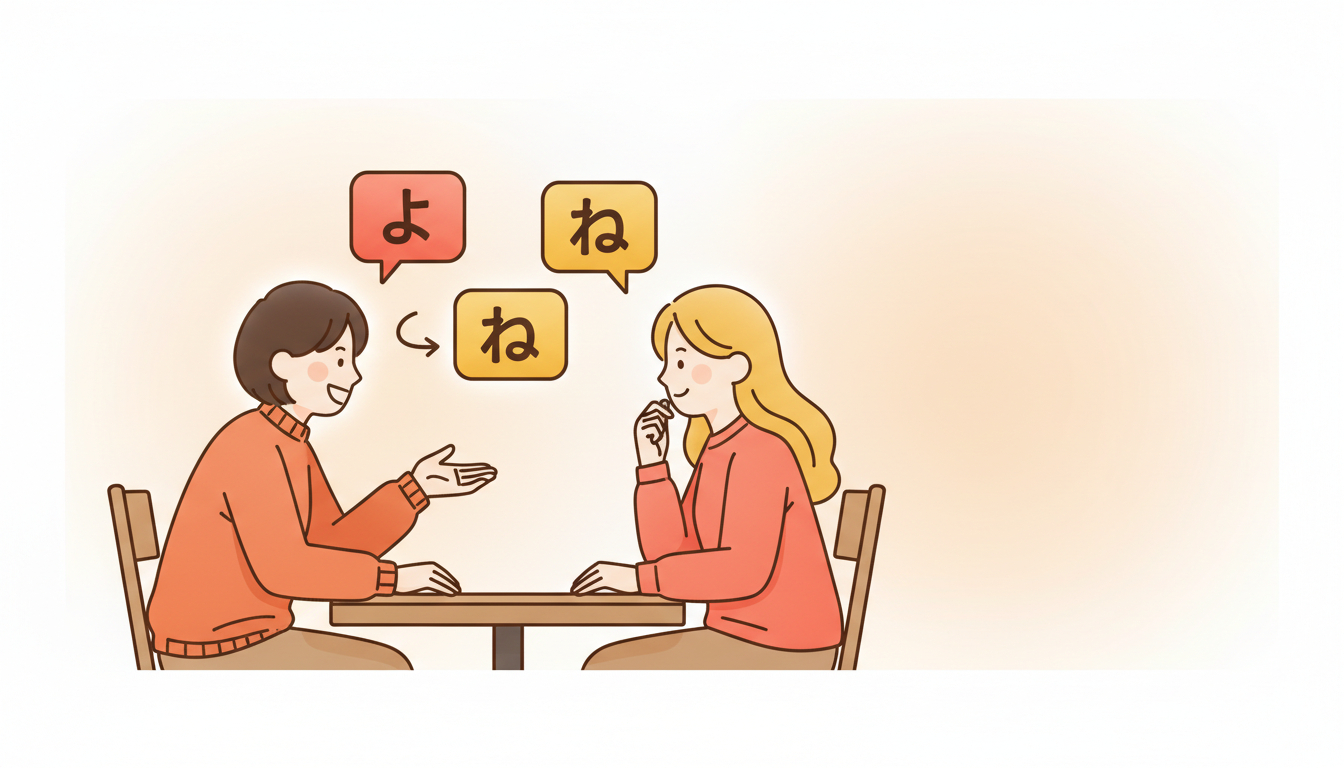
Japanese yo and ne: The Particles That Say Who Knows What
Japanese yo and ne aren't politeness fluff, they mark who already knows what. Why English speakers sound flat or pushy, and how to fix it fast.

English Vowels for Japanese Speakers: Escape the Katakana Trap
Japanese has 5 vowels, English has 15–20. See which English vowels katakana pronunciation flattens (sit/seat, cat/cut) and how to hear them apart.
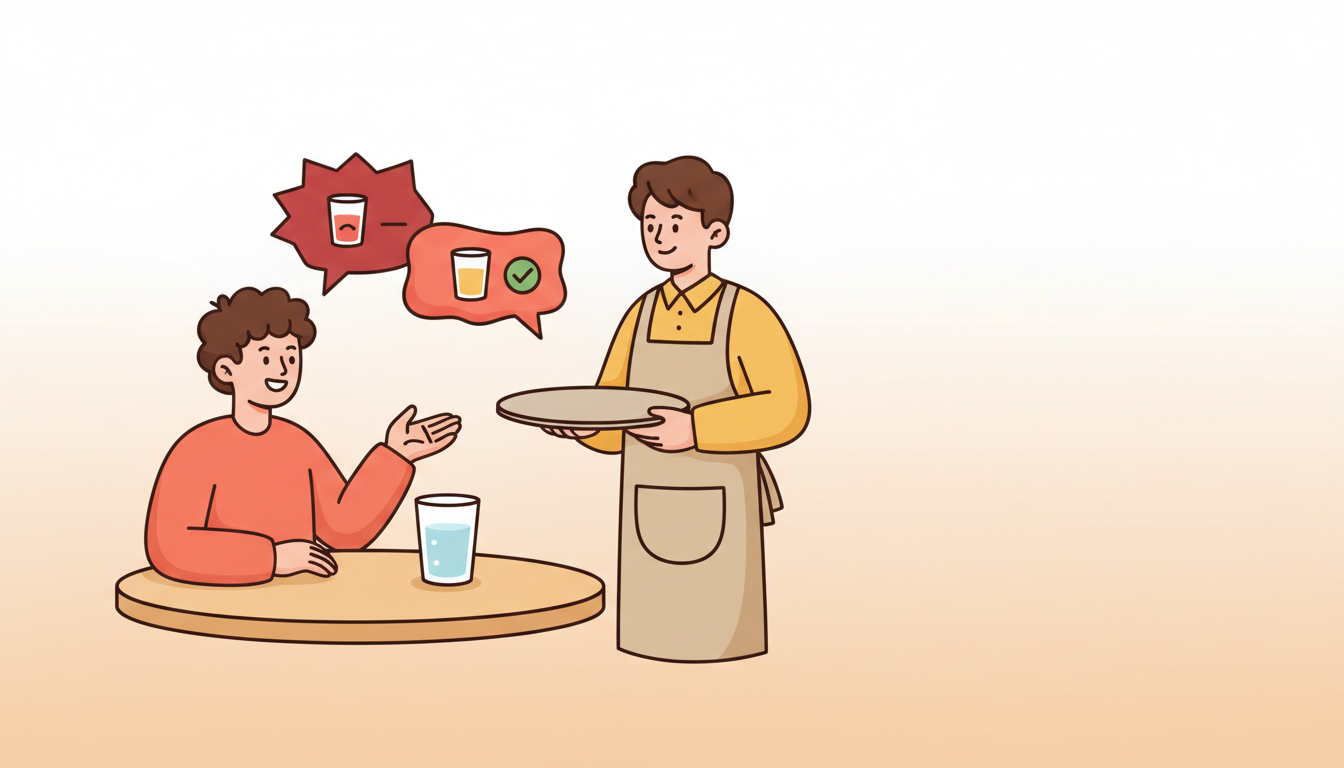
Why Japanese English Sounds Blunt: The Softeners Keigo Hides
Japanese speakers often sound blunt in English even though keigo makes them careful. Here's where English hides its politeness, and the softeners that fix it.
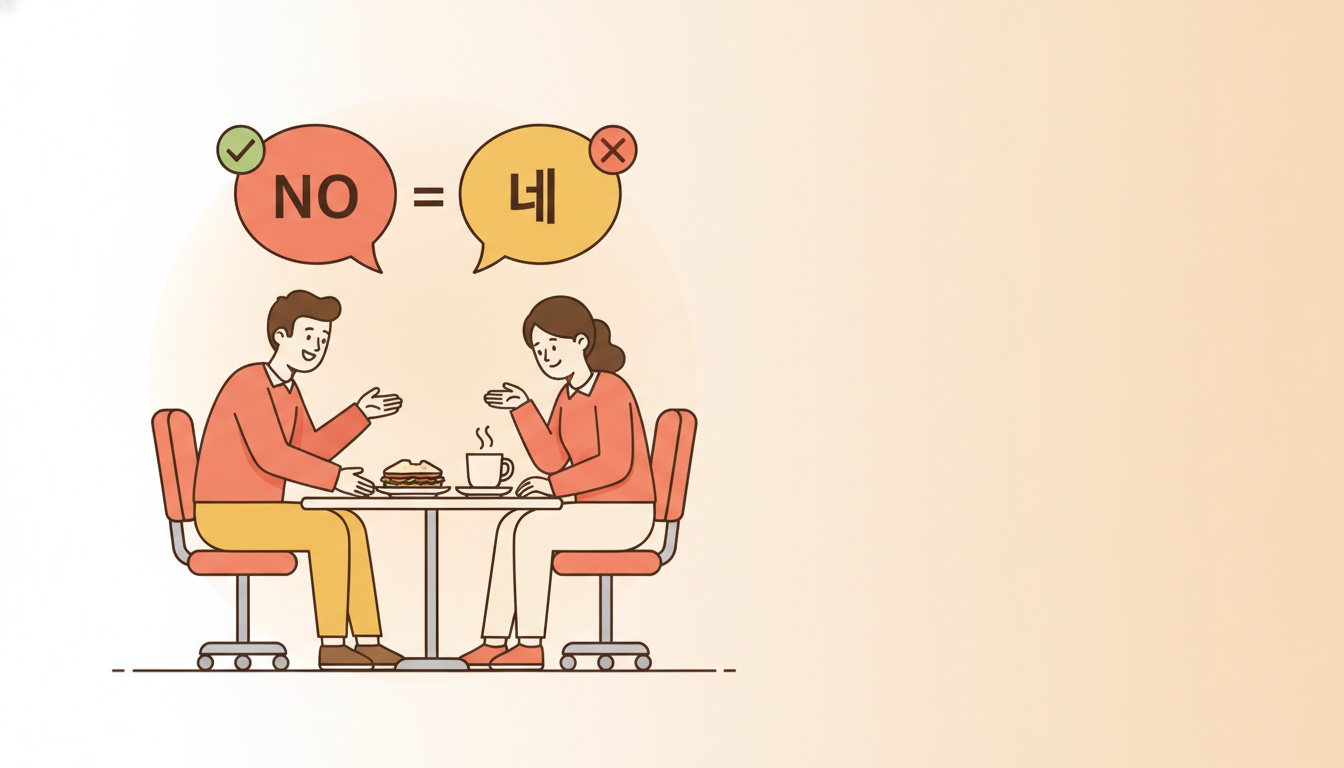
Answering Negative Questions in English: A Korean Speaker's Guide
When someone asks "You're not coming?" Korean speakers often say the opposite of what they mean. Here's why, and how to fix your English yes/no.

Spain vs Latin America Spanish: The Words That Actually Differ
You learned one Spanish and landed where it's spoken differently. The everyday words that swap between Spain and Latin America, plus the safe defaults.

Russian Good Luck Superstitions: Say К Чёрту, Not Thank You
Wish a Russian friend luck the English way and you might jinx it. The good-luck superstitions and reply phrases that keep you polite in Russian.

Chinese Radicals: Decode Characters Instead of Memorizing Them
Chinese radicals turn Hanzi from random pictures into a readable system. Learn the 20 highest-value radicals, phonetic clues, and how to decode any character.

I Have 30 Years: Have vs Be in English for Brazilians
"I have 30 years" feels right because Portuguese uses ter for age, hunger, and cold. Here's why English uses be instead, and how to fix the whole pattern.
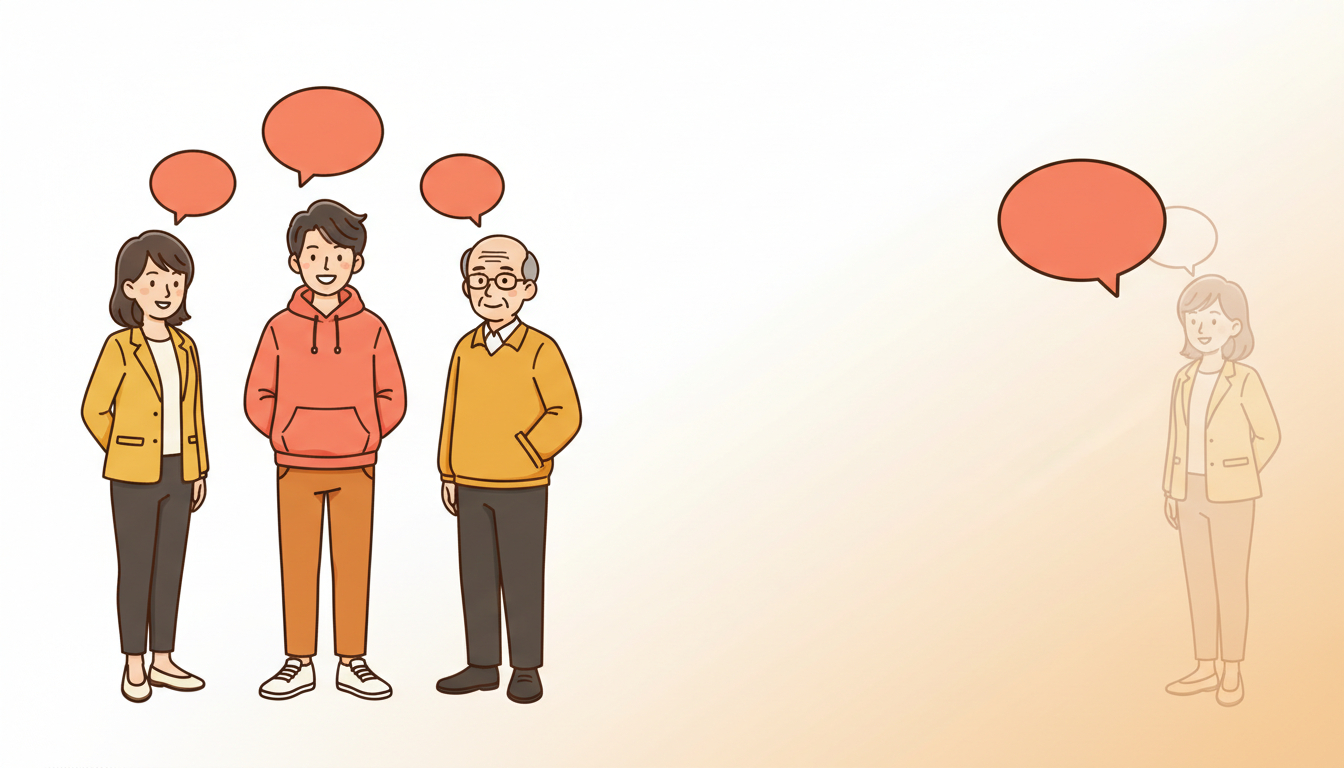
Watashi vs Boku vs Ore: Which 'I' to Use (and When to Drop It)
Watashi, boku, or ore? Japanese makes you pick an I that signals gender and register, but the bigger fix is dropping the pronoun. Here's when to do each.

Italian False Friends: The Words That Betray You in English
Italian false friends in English: 'attualmente' isn't 'actually,' 'libreria' isn't 'library.' The real English word for each falso amico, by scenario.
Yesterday Went I: English Word Order for German Speakers
"Yesterday went I to the store" feels right because German is verb-second. Here are the two German habits that leak into English, and how to switch them off.

French False Friends: The Words That Ambush You in English
French false friends in English: 'actuellement' isn't 'actually,' 'sensible' isn't 'sensible.' The real meaning of each faux ami, by scenario.
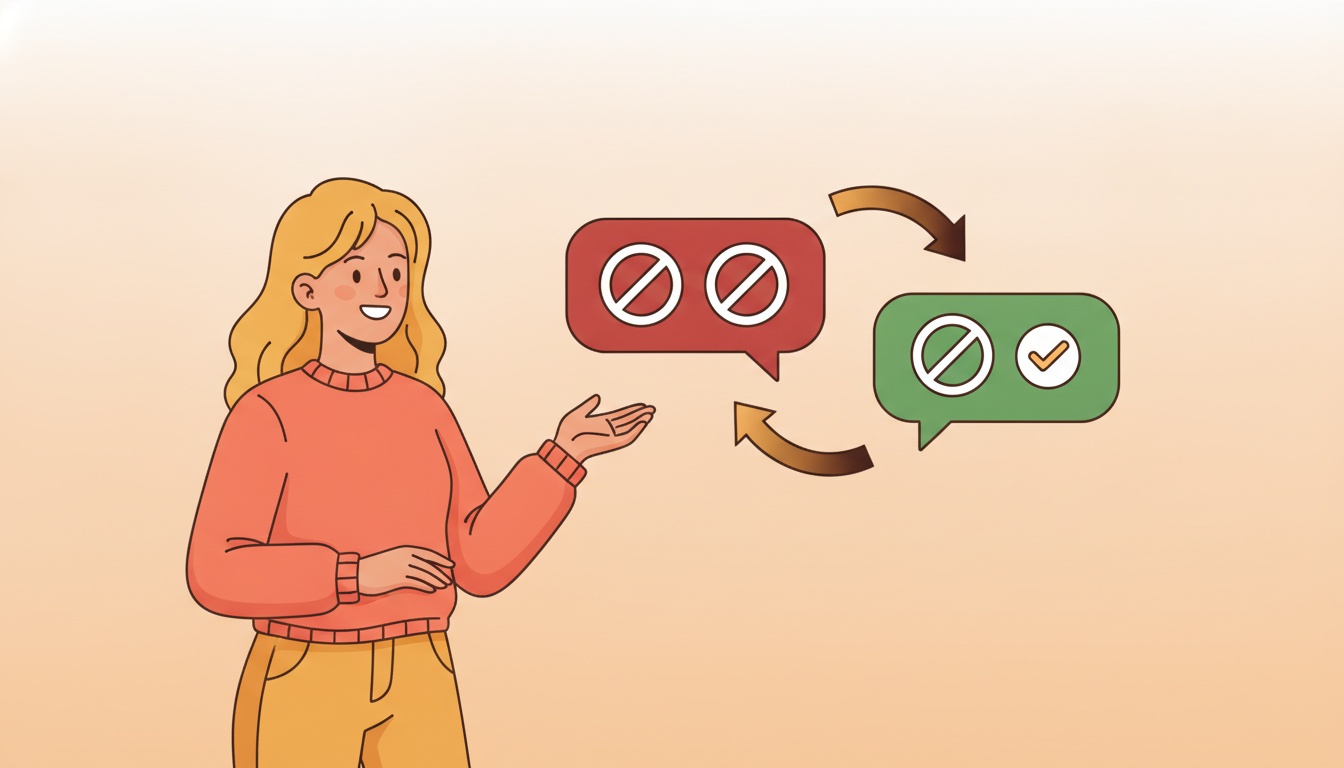
I Didn't See Nobody: Double Negatives for Spanish Speakers
Spanish requires the double negative: "No vi a nadie" is literally "I didn't see nobody." Here's why it slips into your English and the fix that ends it.

German CH Sounds: The Vowel Before It Decides Ich or Ach
German ch is two sounds, not one, and you never have to guess which: the vowel right before it decides. Plus the vanishing R and the -ig trap.
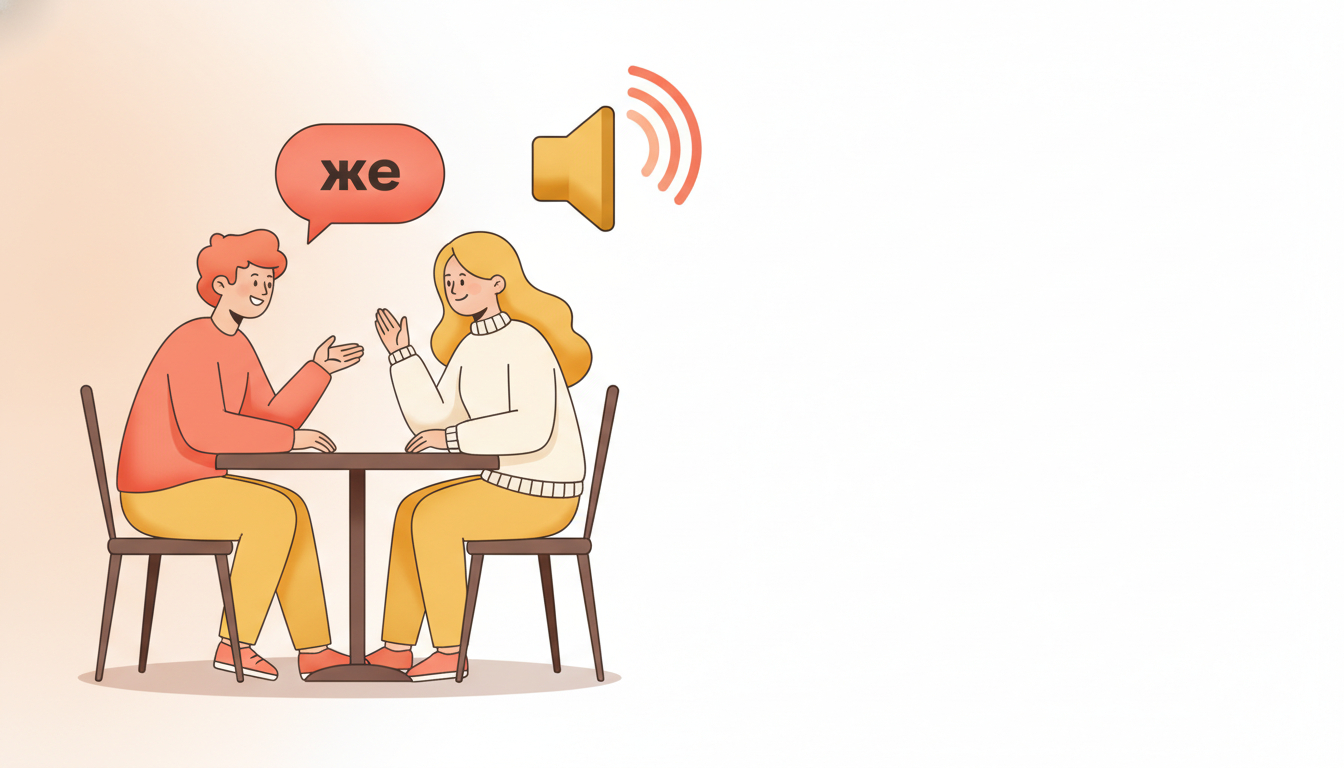
Russian Discourse Particles: же, ведь, ну, and the Tone Knob
Russian discourse particles like же, ведь, ну and вот carry the tone your grammar can't. Learn the exact conversational move each one makes and sound native.
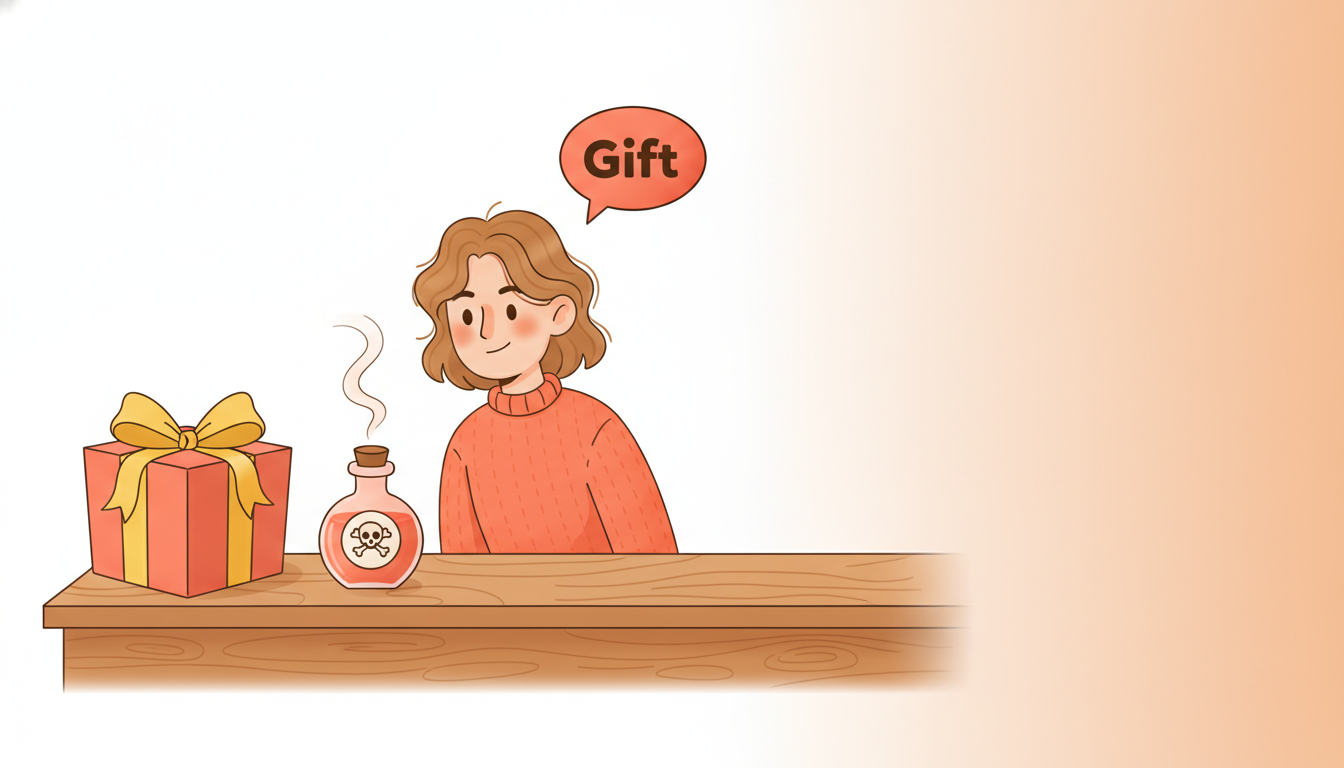
German False Friends by Scenario: When Gift Means Poison
Gift means poison, bekommen means receive not become. A scenario guide to the German false friends that ambush English speakers in real life.

Russian Diminutives: Why огурчики Means Warm, Not Small
Russian diminutives signal warmth and politeness, not size: why a vendor yells «огурчики», how «секундочку» softens a request, and when they turn rude.
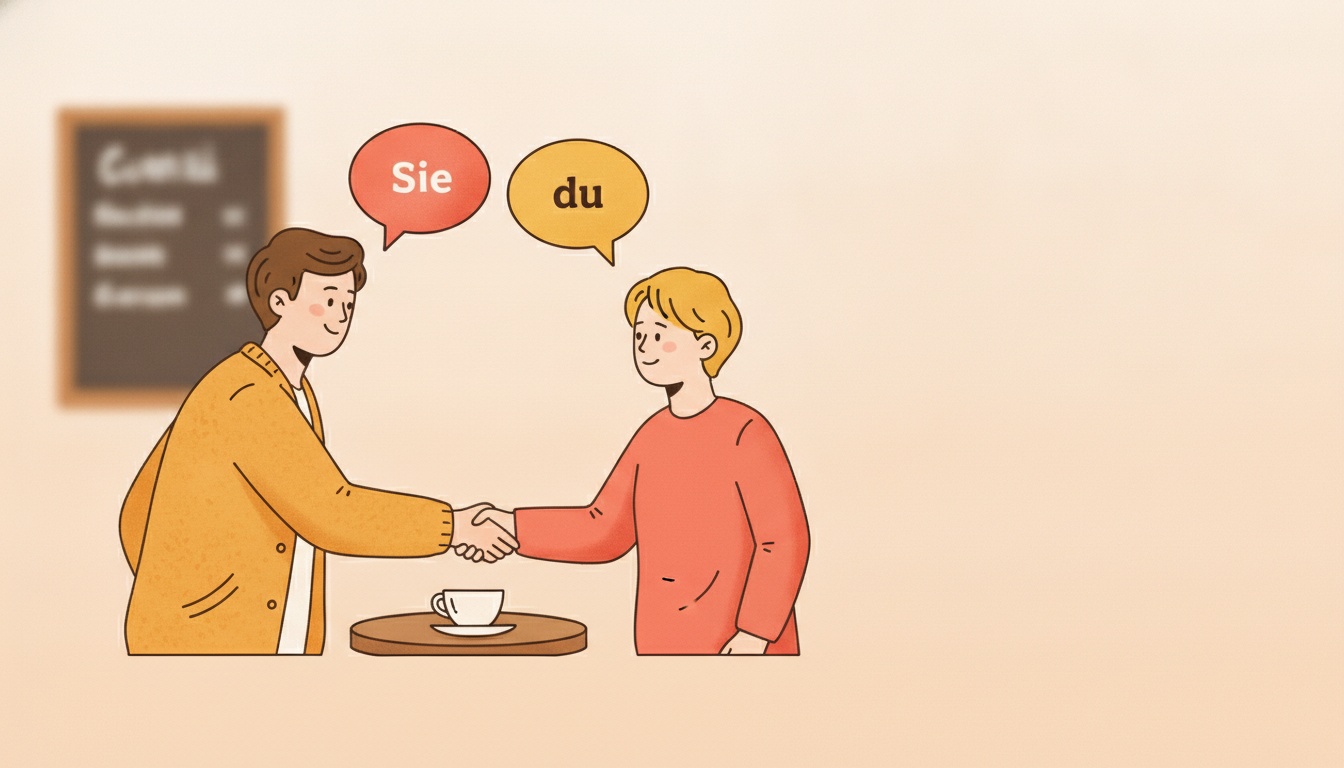
Du vs Sie in German: When to Switch and Who Decides
Du or Sie in German: who gets to offer the du, why switching back to Sie reads as an insult, and how the pronoun rewrites your verbs, imperatives, and more.

German Word Order: Why the Verb Comes Second (and Weil Breaks It)
German word order feels random until you see the trick: the verb comes second, then jumps to the end after weil. One bracket rule ties it all together.
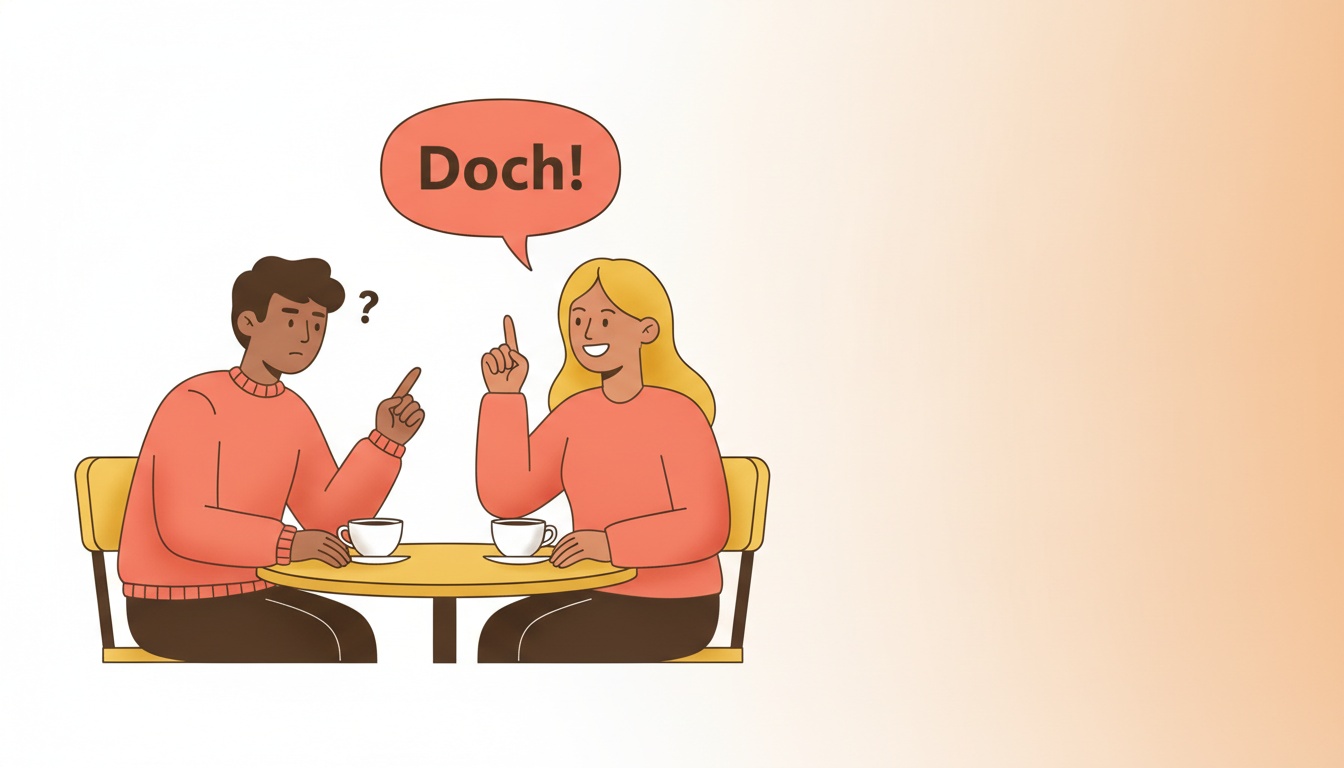
German Modal Particles: What Doch, Mal, Ja and Halt Actually Do
Doch, mal, ja, halt: German modal particles aren't untranslatable noise. Each does one concrete job, and here's how to actually use them in speech.
брат vs брать: Russian Soft Consonants Aren't Optional
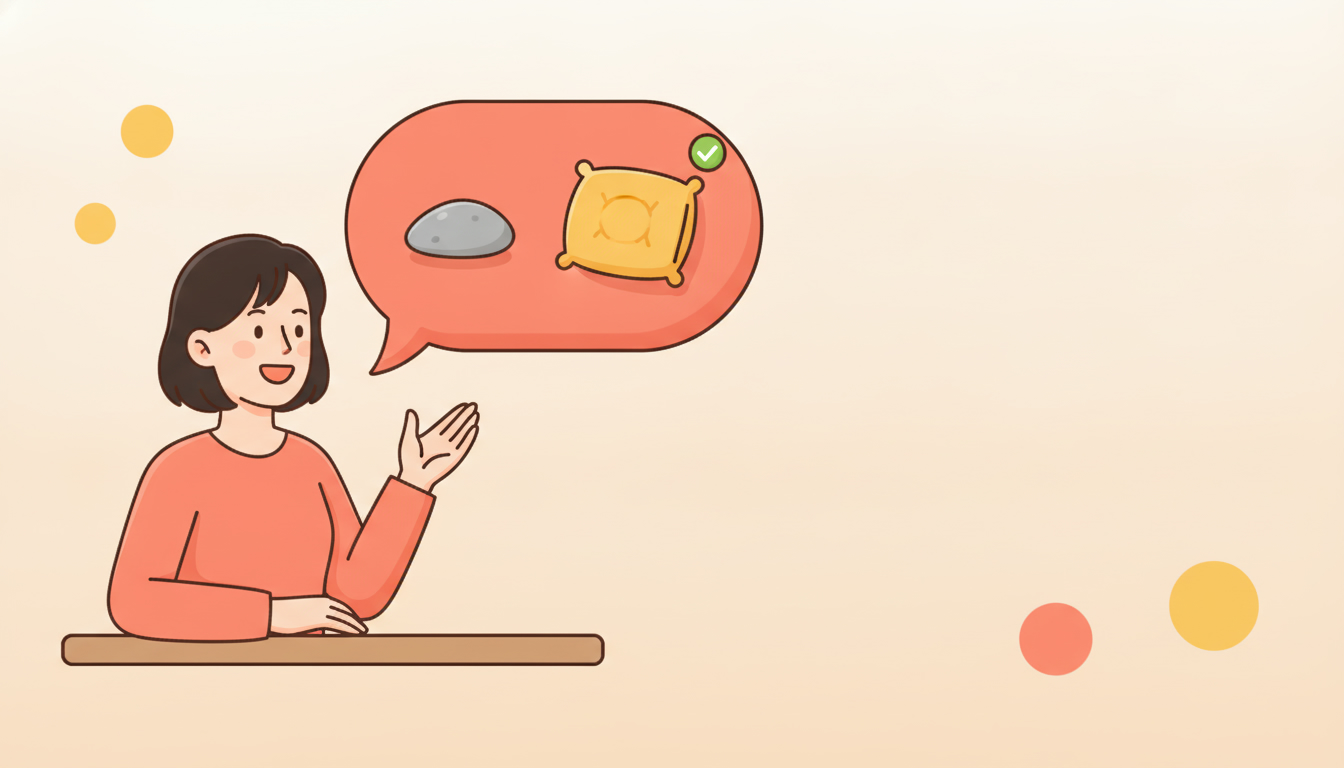
брат means brother, брать means to take, and a single soft consonant is the only difference. Russian soft consonants change the word, not the accent.
German Two-Way Prepositions: It's Destination, Not Movement
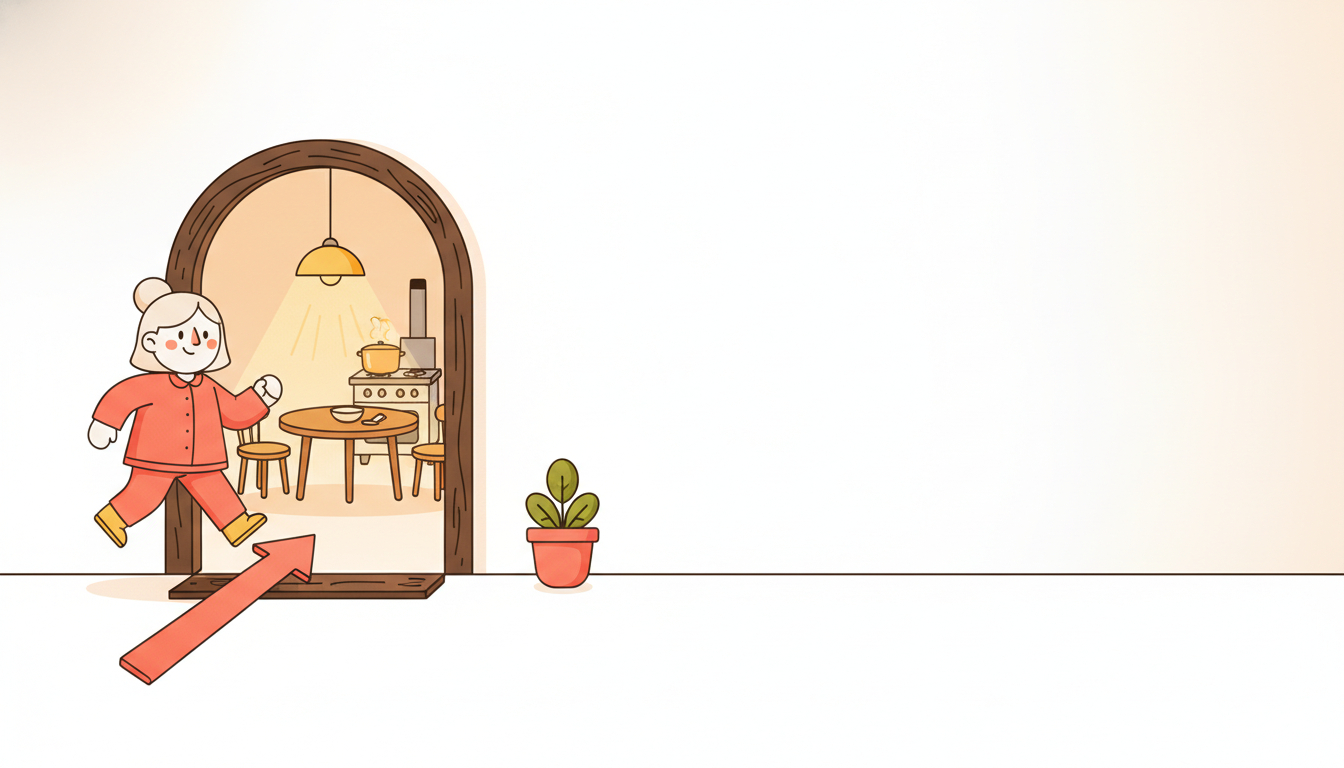
German two-way prepositions explained: forget the movement rule. The real switch is destination vs location, with the wo/wohin test and the park trap.
Russian Silent Letters: Why здравствуйте Loses Its В
Cyrillic looks phonetic until здравствуйте drops a в and сегодня turns its г into a v. Here's every silent Russian consonant, named, with how it's really said.

Russian Reflexive Verbs: One -ся Ending, Six Real Jobs
"-ся makes a verb reflexive" breaks the moment you meet нравиться or бояться. Here are the six jobs one Russian ending really does, plus the case traps.
German Separable Verbs: Why Your Ear Freezes Mid-Sentence
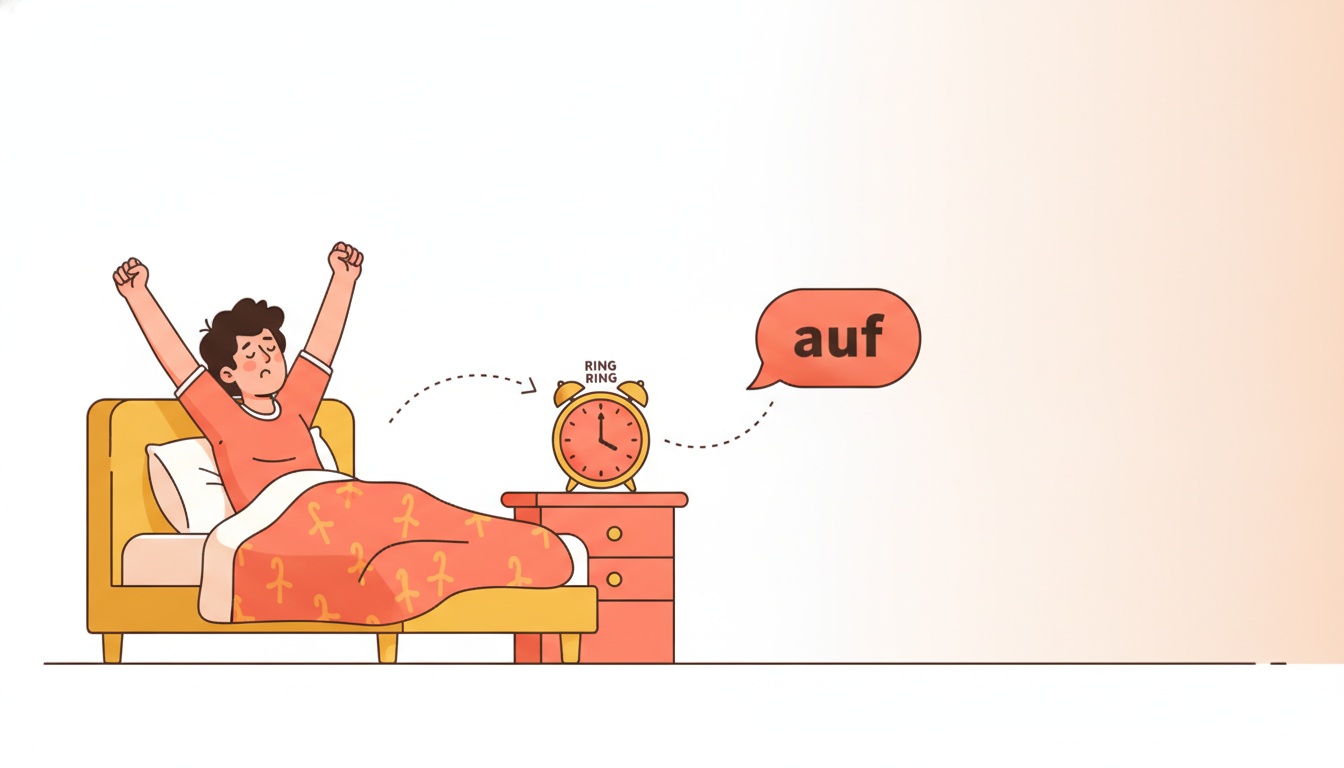
German separable verbs split in half and park the prefix at the end. Learn the stress trick to hear the split coming and stop freezing mid-sentence.
No 'Is,' No 'A/The,' No 'Have': Russian's Missing Words
Russian drops "is," "a/the," and "have" in the present. Learn the у меня есть frame, the нет-genitive, and the instrumental trap that brings быть back.

Russian Verbs of Motion: One System, Not the Scariest Table
English "go" splits four ways in Russian: идти, ходить, ехать, ездить. See why the one-way/round-trip split, prefixes, and aspect are one system.
German Cases by Job: Accusative Is Easy, Dative Is the Grind
German cases explained and sorted by job: accusative barely changes, dative is the real grind, and genitive is quietly fading from everyday speech.
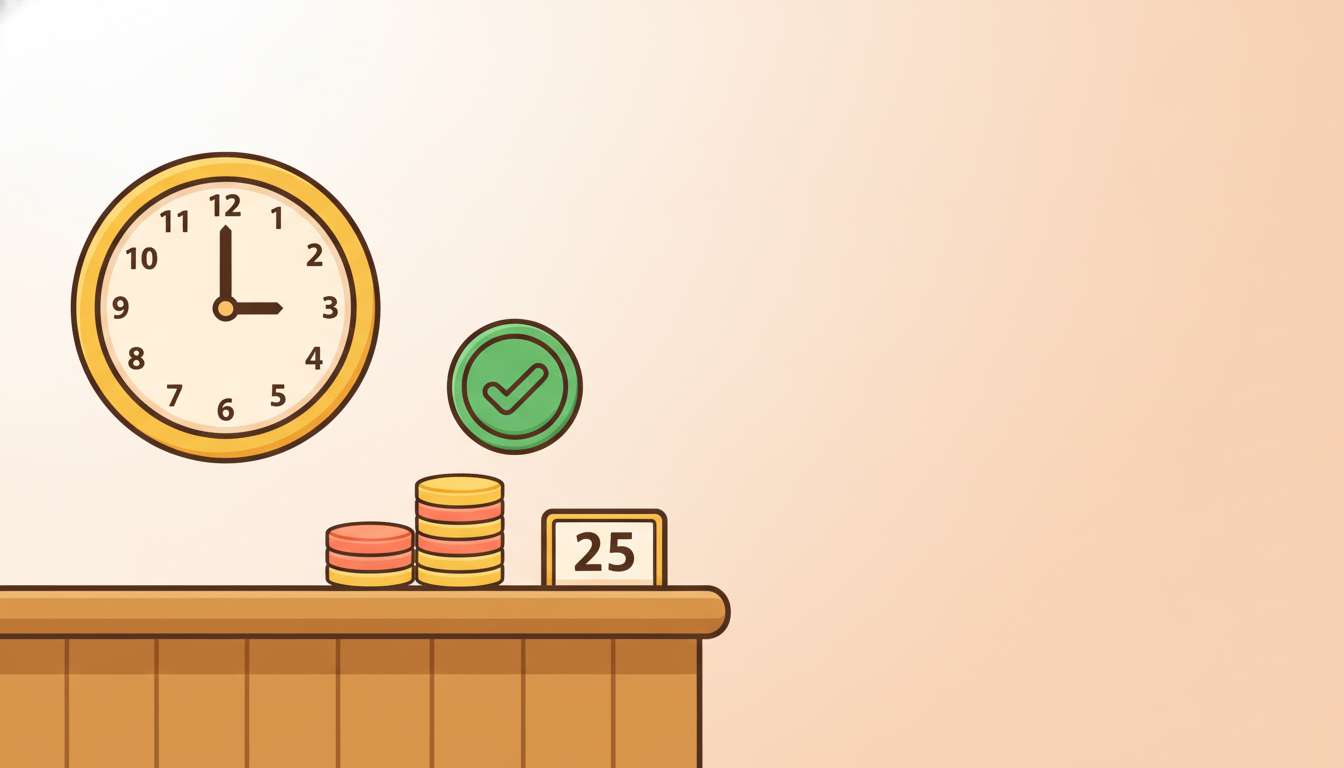
Russian Numbers: Why два часа but пять часов
Russian numbers change the noun's case: один час, два часа, пять часов. Learn the 1 / 2–4 / 5+ rule on the clock and at the till, plus the 21 trap.
French Partitive Articles: The 'Some' English Lets You Drop
French partitive articles: when 'I drink coffee' needs 'du café', how to pick du, de la, or des, and why negatives and quantities collapse them to plain 'de'.
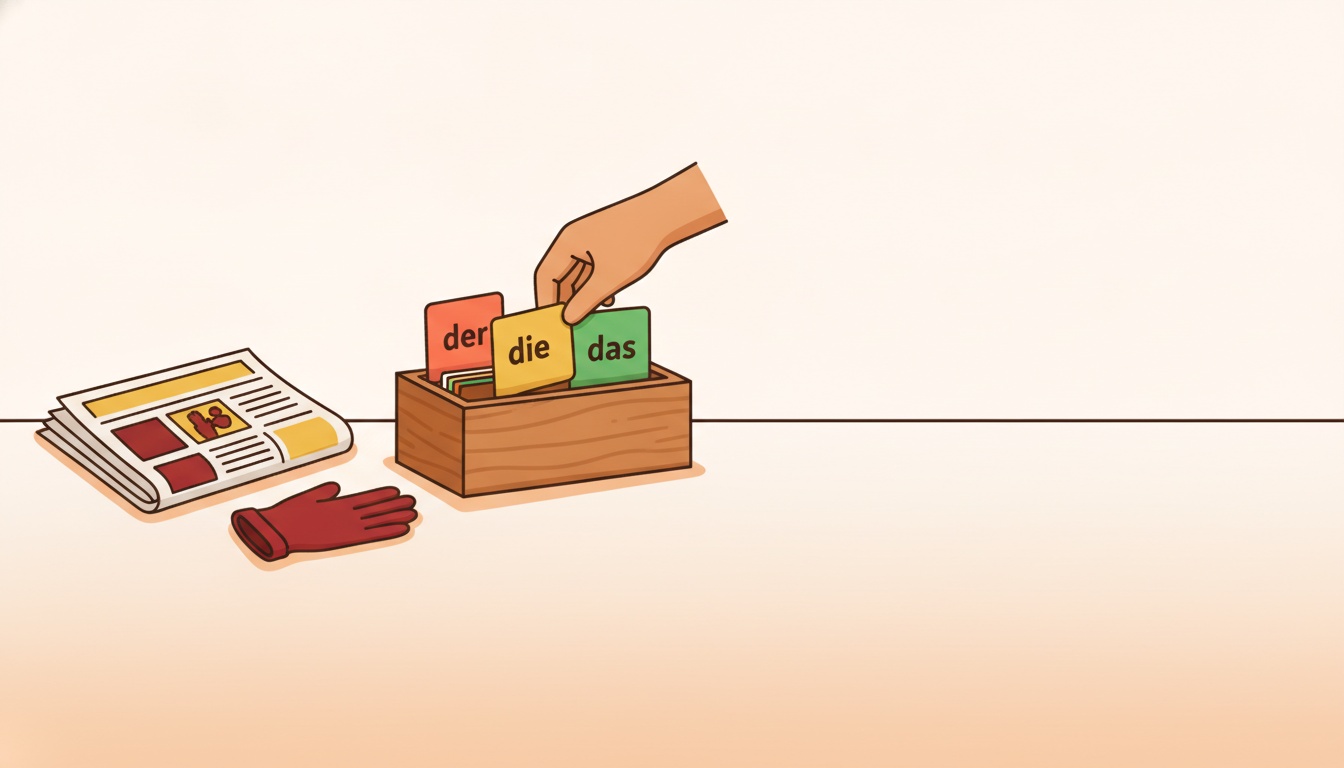
Der, Die, Das: The Suffix Rules That Predict German Gender
German der, die, das feels random — but suffixes like -ung, -chen, and -er predict the article for most everyday nouns. Here are the rules that pay off.
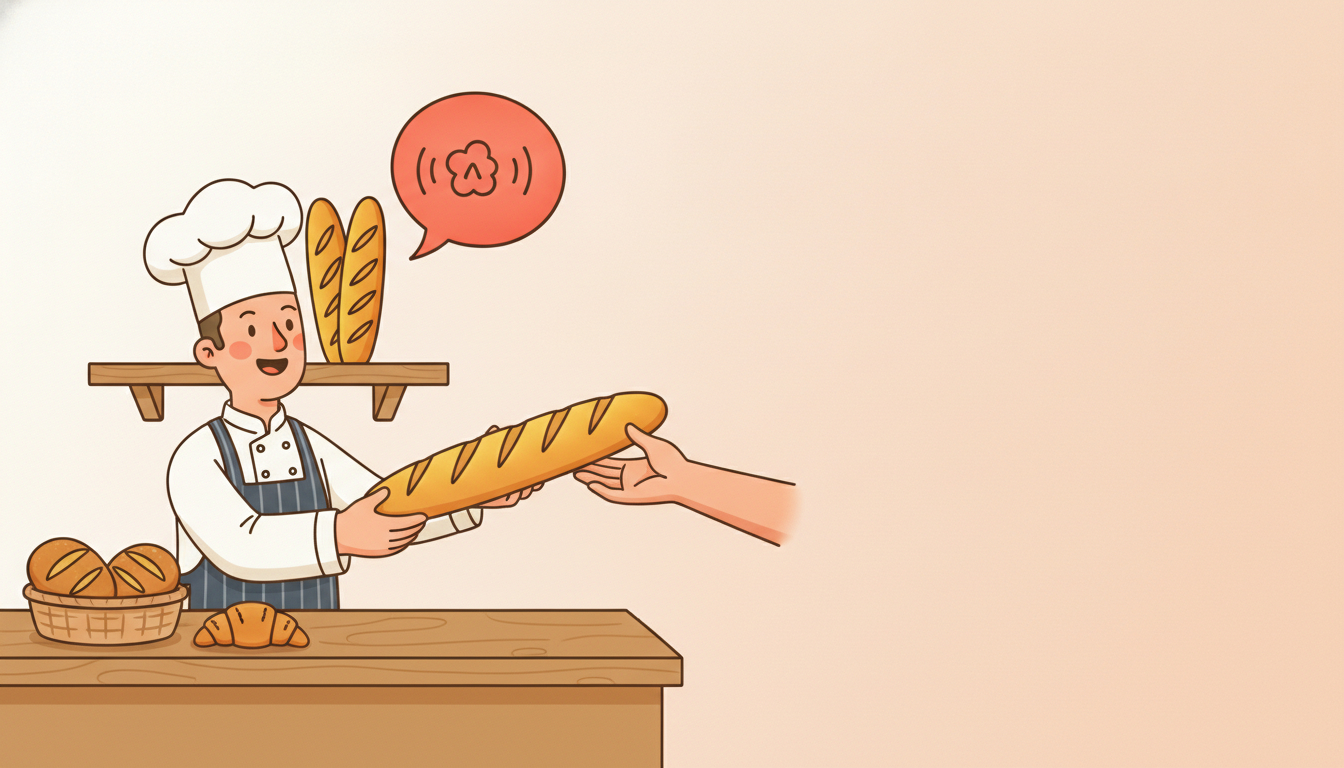
French Nasal Vowels: There's No N in Bon, Vin, or Pain
French nasal vowels have no N sound at all, and saying it is a dead giveaway. Learn the four sounds, the minimal pairs, and the bon/bonne trick.
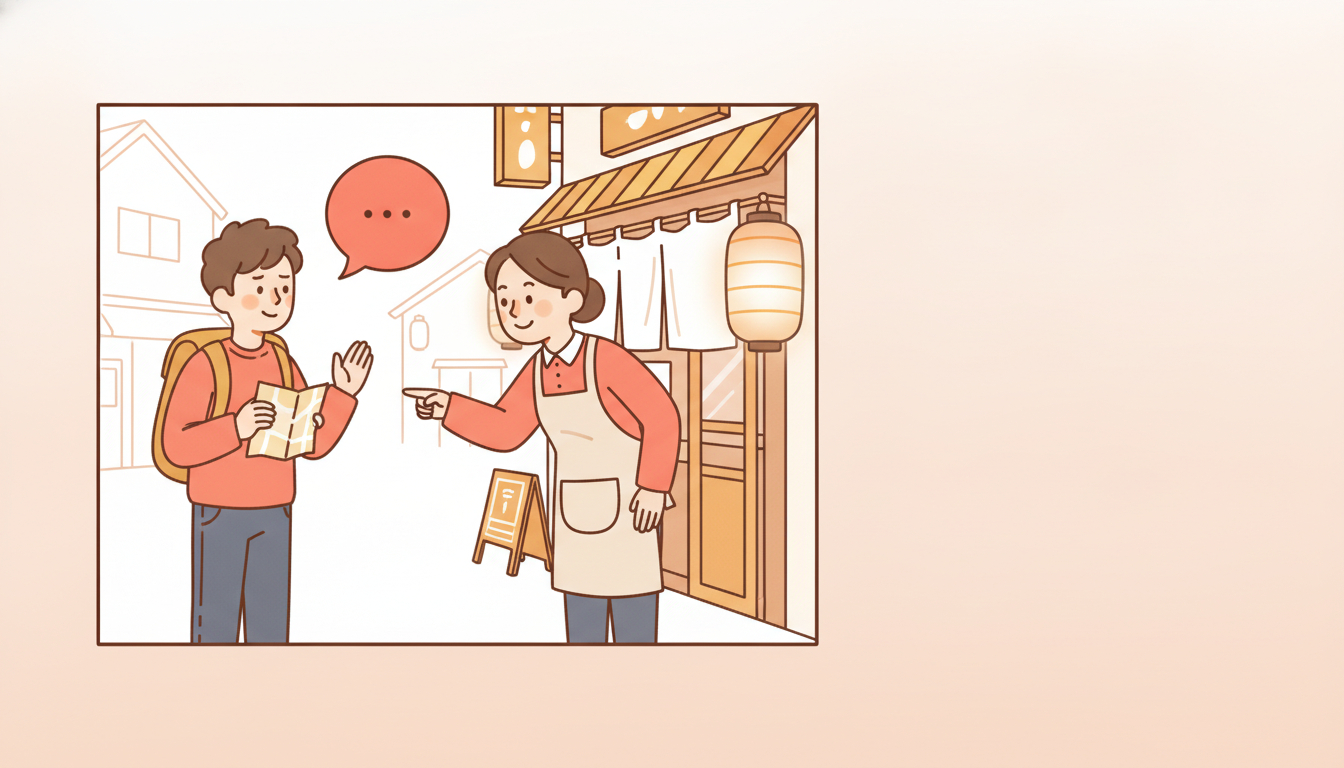
Japanese n desu: The Tiny Ending That Makes You Sound Human
Japanese n desu isn't emphasis, it frames a sentence as explanation. Learn when to use it, the na-insertion rule, and the n desu ga request launcher.

French Y and En: The Tiny Pronouns You Keep Dropping
You already say 'il y a' and 'j'en ai marre' without thinking. Those frozen phrases unlock French y and en, and explain why you keep dropping them.

Japanese ni vs de: Same 'At the Park,' Opposite Particle
Japanese ni vs de both translate to "at," so beginners guess and miss half the time. Learn the one test, existence vs. action, plus the key exceptions.

커피 vs 코피: The Korean Vowels English Ears Can't Hear
In Korean, one vowel turns coffee (커피) into nosebleed (코피). Learn to hear and say ㅓ/ㅗ and ㅡ/ㅜ with lip-position drills, not another vowel chart.
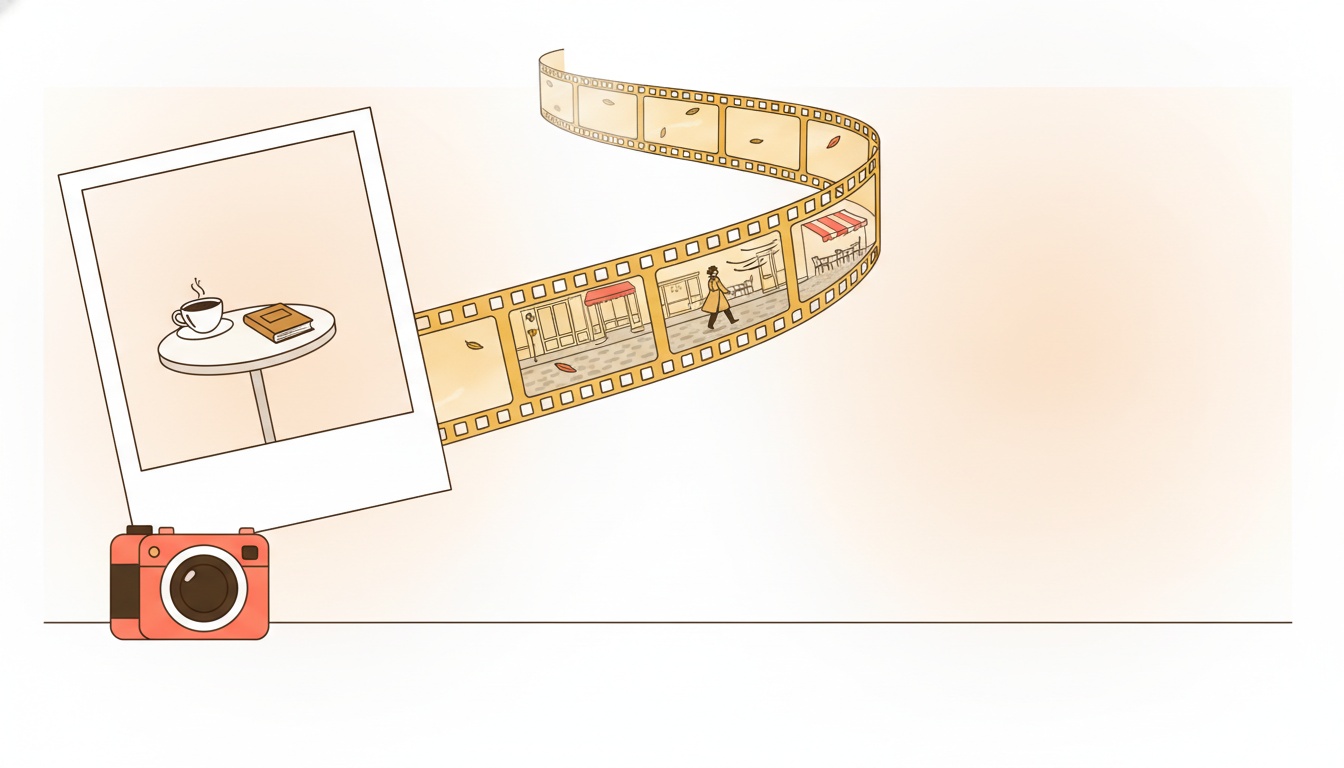
Passé Composé vs Imparfait: Snapshot vs the Movie
Passé composé vs imparfait isn't two past tenses — it's aspect: a finished snapshot vs the movie running behind it. Plus the verbs that flip meaning.
Japanese long vowels and double consonants: length changes the word
In Japanese, holding a vowel or consonant one beat longer changes the word. Learn mora timing, the killer minimal pairs, and a clap-per-beat drill.

불, 풀, 뿔: The Korean Consonants English Ears Can't Hear
English ears catch only two of Korean's three consonants, so 불, 풀, and 뿔 blur together. Here's the modern Seoul pitch cue and the drills that split them.
French Noun Gender: How to Guess Le vs La and Be Right
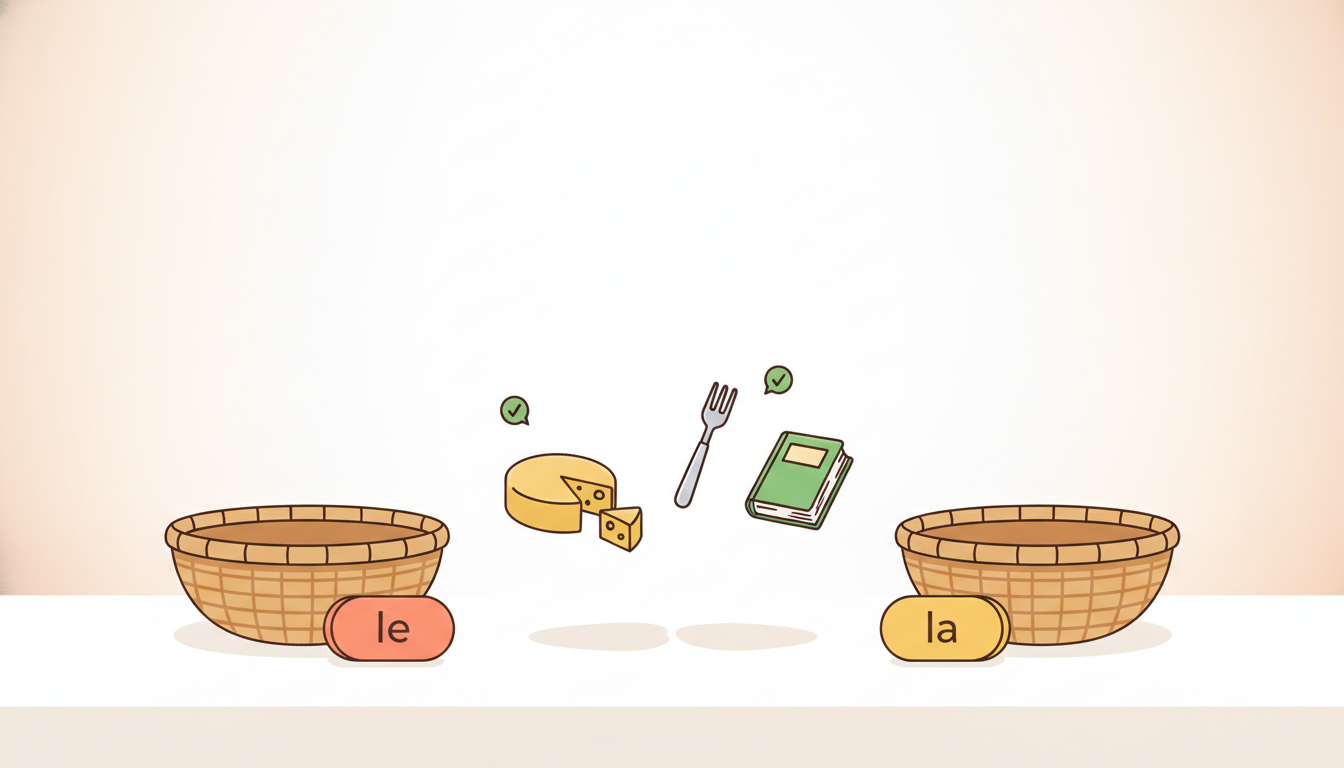
French noun gender feels random, but word endings predict le vs la most of the time. Learn the patterns, the exceptions that matter, and the one habit that fixes it.

Japanese Conditionals: to, ba, tara, nara, One If Each Job
To, ba, tara, and nara all mean "if" in Japanese, but each has one job. Learn the one-question rule, why to can't take a command, and what nara answers.

Korean Future Tense: 할게요 vs 할 거예요, Promise or Plan?
English has one "will." Korean splits it three ways: 할게요 (a promise to you), 할 거예요 (a plan), and 하겠어요 (a guess). Learn which to pick and why.

The Japanese Te-Form: One Song Unlocks a Dozen Patterns
The Japanese te-form looks like a scary conjugation table. It's a five-row song plus two exceptions, and it unlocks a dozen everyday grammar patterns.
Chinese Politeness: Why Thanking Close Friends Sounds Cold
Chinese politeness inverts English instincts: over-thanking friends sounds cold, you deflect compliments, and you refuse sideways. Here's the logic.

에 vs 에서: One Question Picks the Right Korean Location Particle
Stop guessing between 에 and 에서. One question picks the right Korean location particle every time, plus the 있다 trap and the 살다 exception textbooks bury.

How to Address People in Chinese Without Sounding Rude
In Chinese there's no first-name basis. Learn the 老/小 names, the titles, and the auntie-uncle system that decide whether you sound warm, respectful, or rude.

Coger Is Innocent in Spain, Vulgar in Mexico: Say This Instead
In Spain you coger the bus; in Mexico that verb is X-rated. The innocent Spanish words that turn vulgar across borders, and what to say instead.
Korean Irregular Verbs: Six Patterns That Are Actually Regular
Korean irregular verbs aren't random — they're six consistent sound patterns. Learn the common ones first, plus the regular lookalikes that fool beginners.

Mandarin Erhua: The Beijing R That Swallows Consonants
Erhua isn't a syllable you add — it's a curl that swallows consonants. Why 玩儿 sounds like "wár," where to use it, and how to finally hear it.
안 vs 못: Korean's Two Ways to Say No (Won't vs Can't)
Korean has two words for 'not.' 안 means you chose not to; 못 means you couldn't. Learn the split — and why 못 가요 is the polite way to turn down an invitation.

Japanese Keigo: Why Desu/Masu Is the Floor, Not the Ceiling
You learned desu/masu and were told that's polite Japanese. Real keigo has three layers — and an in-group rule that decides when to humble your own boss.

Tengo Hambre, Hace Frío: Spanish States Aren't 'To Be'
In Spanish you don't 'be' hungry, you have it: tengo hambre, hace frío, me da miedo. How tener, hacer, and dar split English 'to be' by category.

再 vs 又: Two Mandarin Words for 'Again' (and Which One Needs 了)
English has one word for "again"; Mandarin makes you pick 再 or 又. Here's the not-yet vs already-happened rule, plus the 了 tell that confirms it.
How to Pronounce the Spanish J and Soft G (It's Not an H)
The Spanish J and soft G aren't an English "H" — they're the raspy jota. Learn the sound, the ge/gi vs gue/gui spelling rules, and where it softens.

Saber vs Conocer: Two Spanish Verbs for One English 'Know'
English uses one verb for 'know'; Spanish splits it into saber and conocer. Learn the know-a-fact vs know-a-noun rule, and why supe means 'I found out.'

一点儿 vs 有点儿: The 'A Little' That Hides a Complaint
Mandarin has two words for "a little": 有点儿 goes before an adjective and carries a complaint, while 一点儿 goes after it to ask for more. Here's the rule.
Spanish B and V Are the Same Sound — and Both Soften
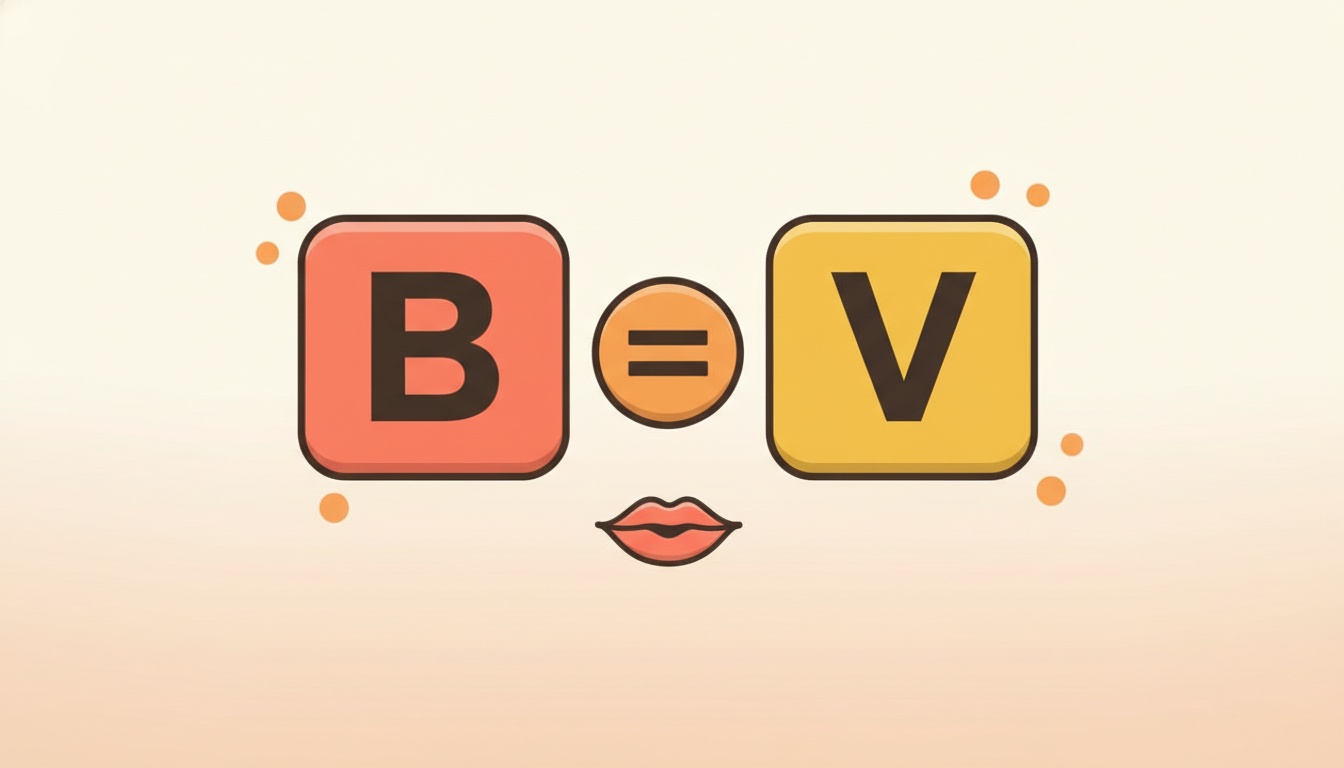
In Spanish, B and V are one sound — vaca and baca are identical. The rule almost no one teaches: it softens to an airy [β] between vowels. Here's how.

Mandarin Numbers: 二 vs 两 and Counting in Ten-Thousands
Mandarin has two words for "two"—两 before things you count, 二 for the number itself—then numbers that group by ten-thousands. Here's how to stop stalling.

是…的 vs 了: The Mandarin Past-Tense Detail You Keep Missing
You learned 了 for the Mandarin past — but natives answer when, where, and how with 是…的. Here's the pattern your textbook skipped and when to reach for it.

Chinese Verb Complements: Why 看 Means Look, Not See
A bare Mandarin verb is only the attempt: 看 means 'look,' not 'see.' Learn how resultative, directional, and potential complements carry the result.
Spanish Vowels Don't Move: Stop Gliding Them Like English
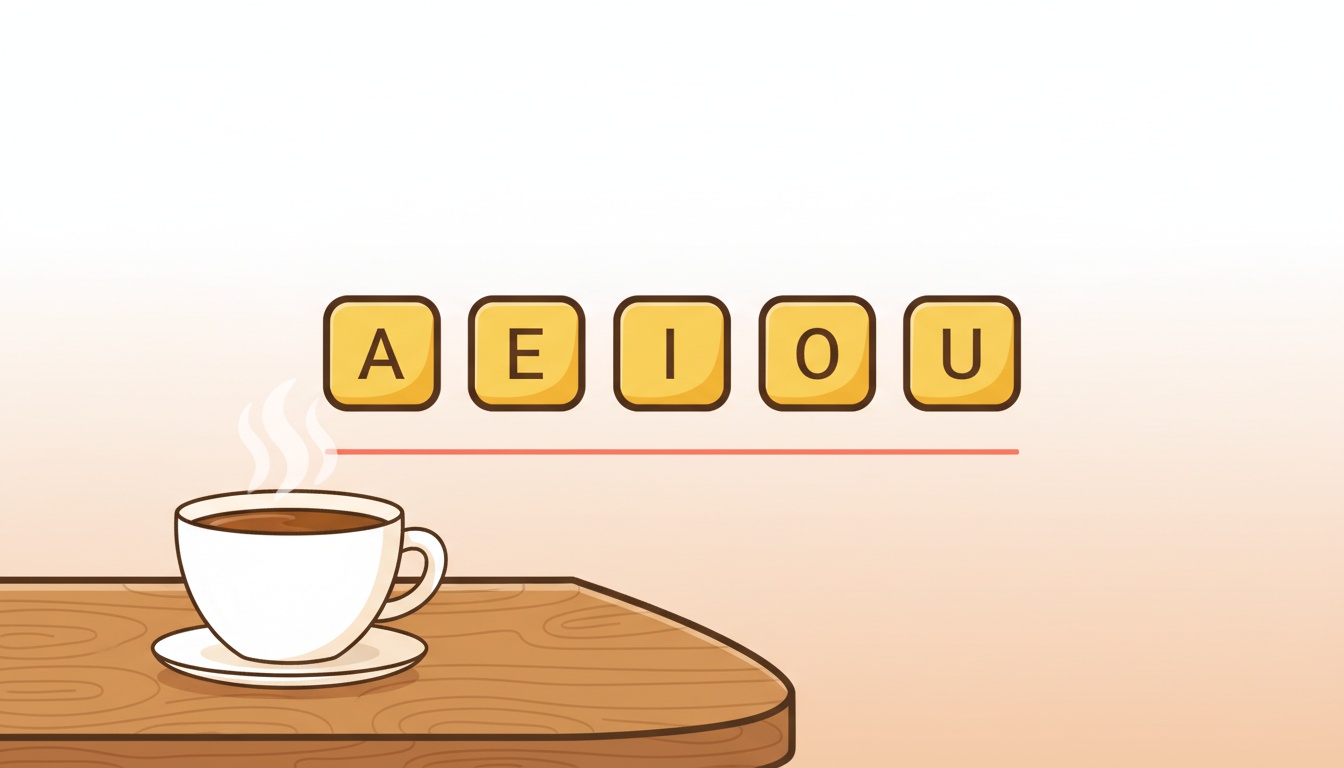
Learn Spanish vowel pronunciation: stop gliding the five pure vowels into diphthongs, stop reducing them to 'uh', and your accent tightens fast.
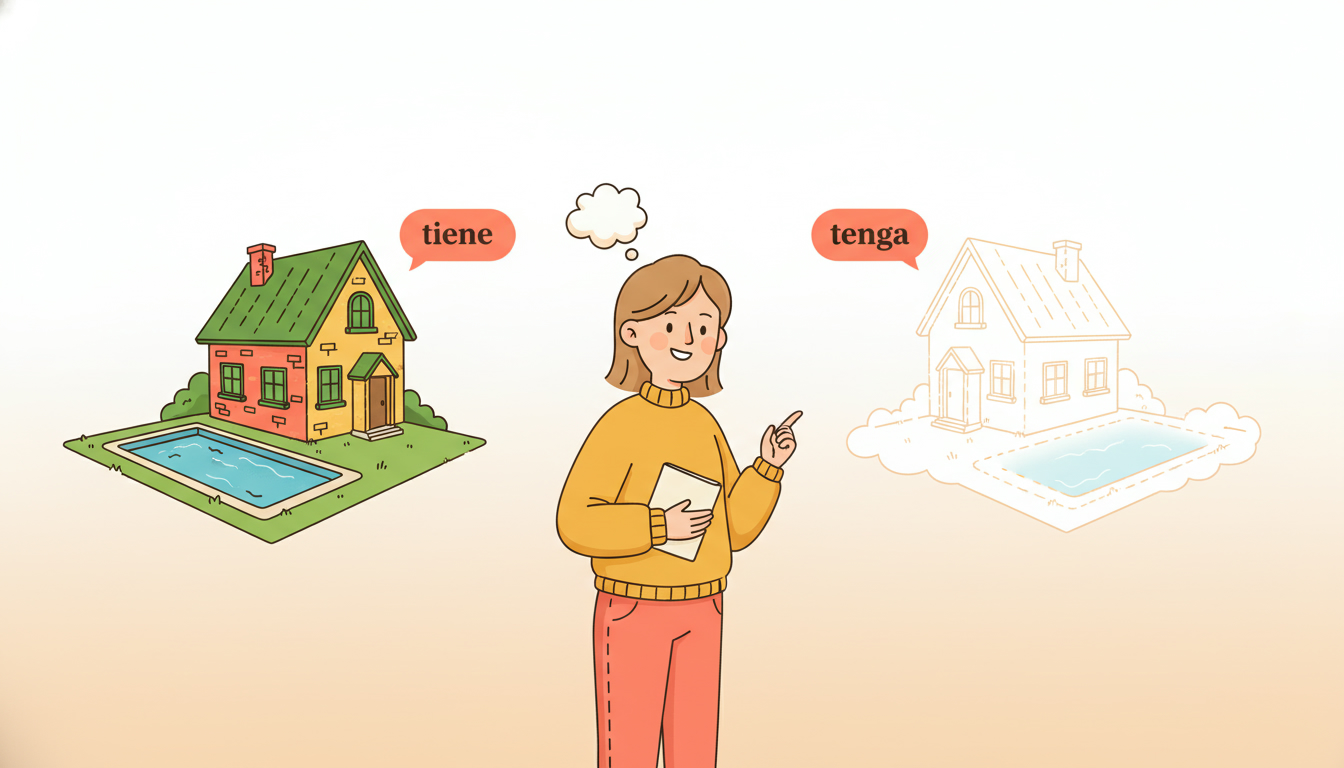
The Spanish Subjunctive Isn't a Tense (and Isn't About Doubt)
Stop memorizing WEIRDO triggers. The Spanish subjunctive is a mood that marks a clause as not-asserted-as-fact, and one structural test resolves most cases.

着, 过, 在: The Mandarin Aspect Markers That Aren't 了
English '-ing' hides two Mandarin markers: 在 for the action, 着 for the state left behind. Add 过 for 'have you ever,' plus the cue that picks the right one.

Spanish Preterite vs Imperfect: Think Camera, Not Stopwatch
Spanish preterite vs imperfect isn't about when something happened. It's aspect: a snapshot vs the footage underneath. Plus the verbs that flip meaning.

Gustar Doesn't Mean 'I Like': How Backwards Verbs Work
In Spanish, 'me gusta el café' means coffee pleases you, not 'I like coffee.' Reframe gustar as 'to be pleasing to' and its odd agreement finally clicks.

Khello, Garri Potter: Why Russians Mispronounce English H
Russians say 'khello' for hello and 'Garri' for Harry. Two H substitutions, one missing phoneme — here's the breath-not-friction fix that breaks both.
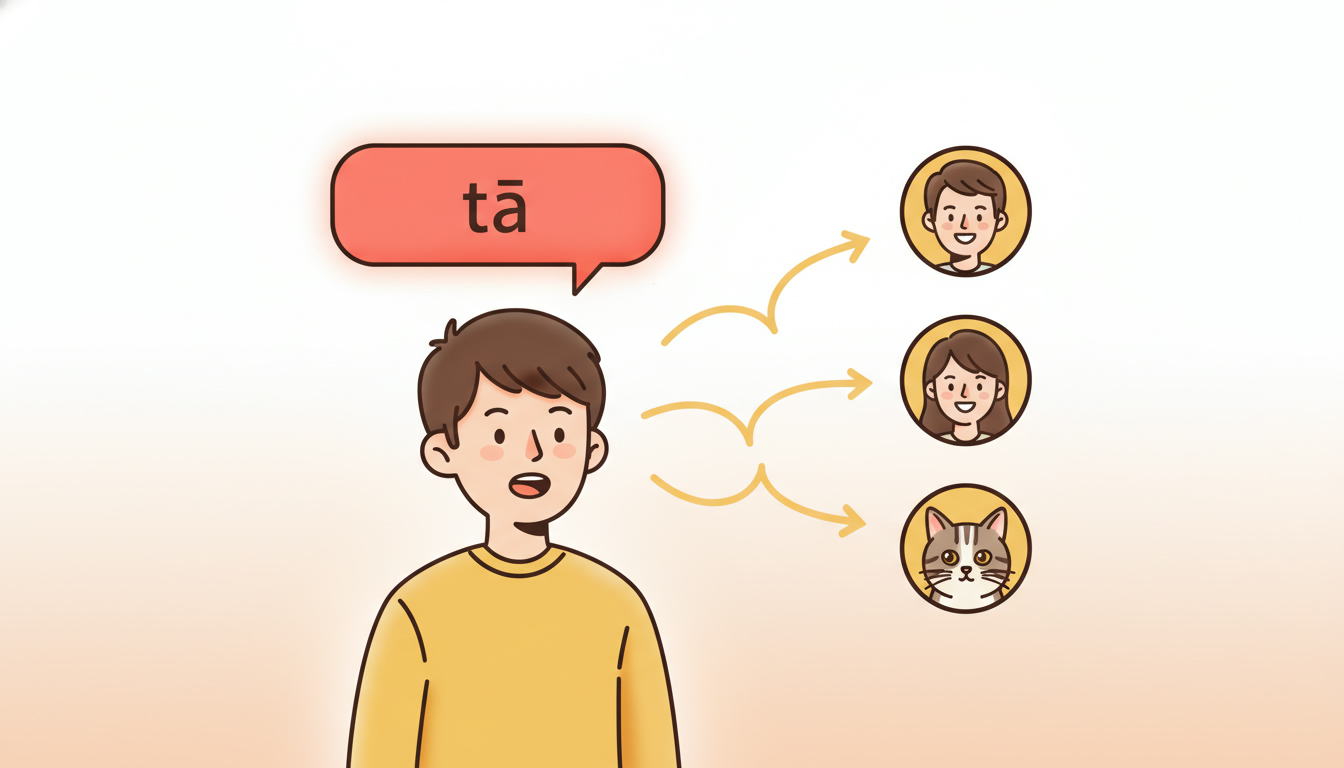
Why Mandarin Speakers Mix Up He and She in English
In Mandarin, he, she, and it all sound the same — /tā/. That's why English pronouns slip, even for fluent speakers. Three drills that fix the bug.
Konglish That Fails in English: 14 Words to Stop Using
Konglish words like hand phone, fighting, and skinship feel like English but earn blank stares. Here are 14 Konglish traps and the swaps that work.

Mansion, Smart, Pants: Wasei-Eigo Japanese Speakers Use Wrong
Japanese speakers learn 'mansion' and 'smart' as English. They aren't. Here are the wasei-eigo coinages that backfire — and the real-English replacements.
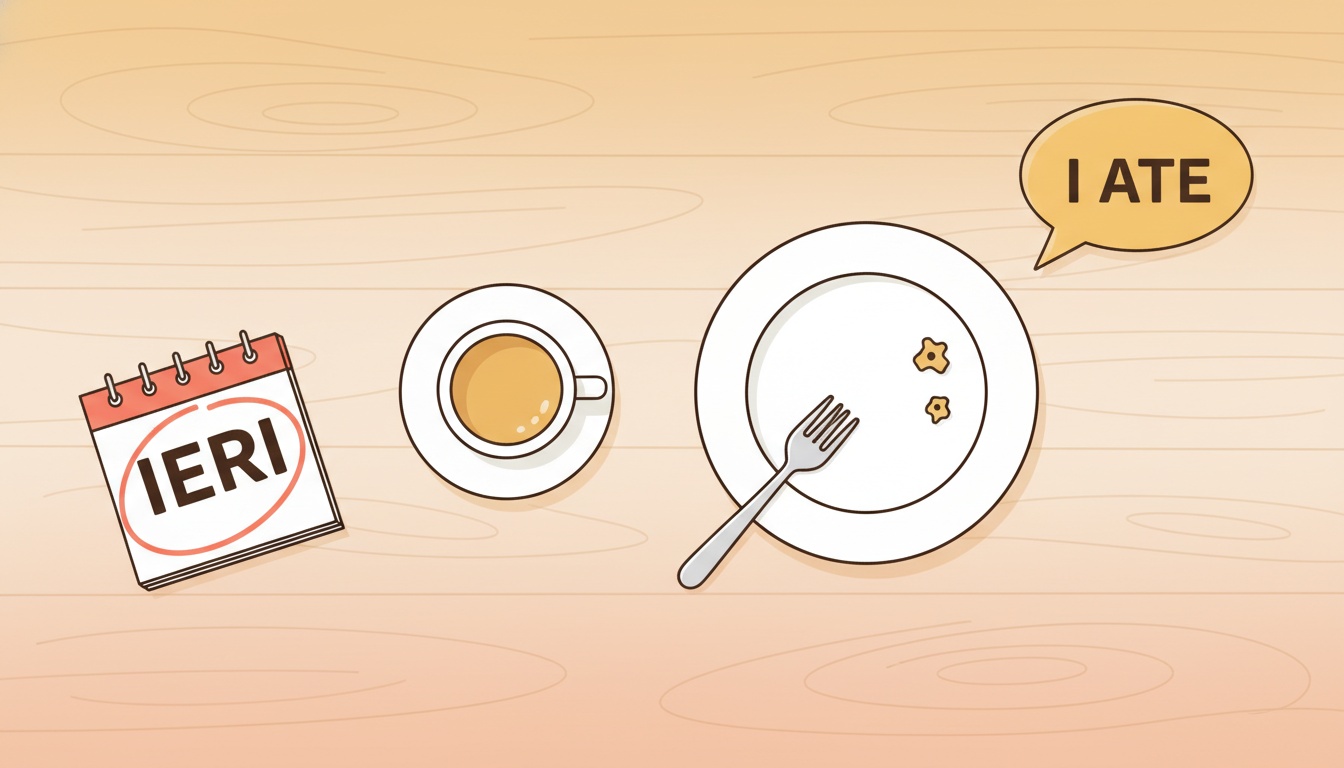
I Have Seen It Yesterday: The Italian English Past Trap
Italian passato prossimo looks like English present perfect but works like simple past. Why 'I have seen it yesterday' is wrong, and the rule that fixes it.
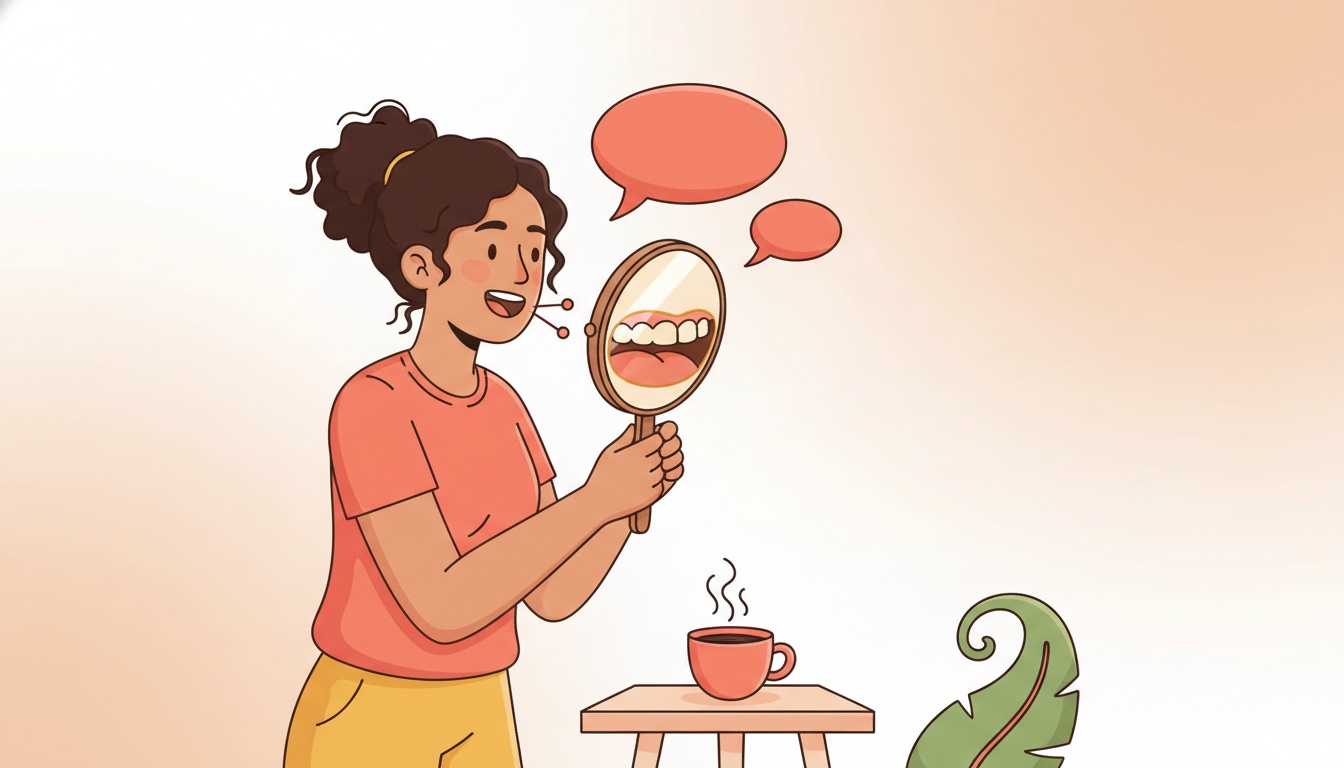
Why 'Team' Sounds Like 'Cheam' in Brazilian English
Brazilian Portuguese turns 'team' into 'cheam' and 'diet' into 'djiet' in English. Here's the rule behind it and the tongue-position drill that fixes it.

Espain, Eschool, Estop: Why Spanish Speakers Add E to S Words
Spanish speakers add a phantom /e/ to English words like school, stop, and Spain. Here's why your mouth does it and the drill that fixes it.
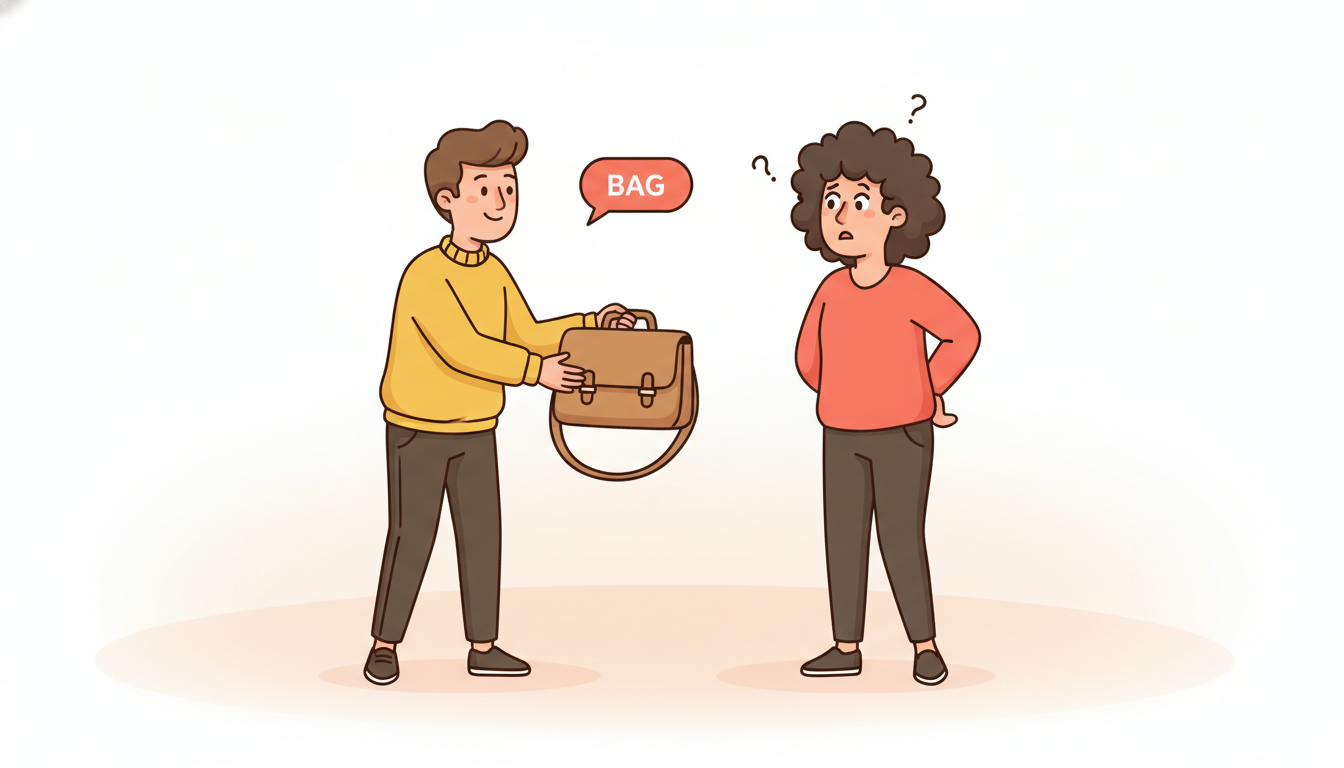
Bag → Back: Why German English Devoices Final Consonants
German speakers devoice final consonants automatically, so 'bag' becomes 'back' and 'raised' becomes 'raced'. The two cues English ears actually use.

English R for Brazilian Speakers: Why Running Sounds Like Hunning
Brazilian Portuguese realizes word-initial r as /h/, so 'running' becomes 'hunning' in English. Here's why your accent does it — and the drills that fix it.

Stop-a, Work-a: The Italian Vowel That Sneaks Into English
Italian phonotactics demand vowel endings, so English 'stop' becomes 'stop-a' and 'work' becomes 'work-a'. Here's the reason and the drill that fixes it.

English Past Tense for Mandarin Speakers: -ed Isn't Optional
English past tense for Mandarin speakers: why -ed feels redundant when your adverb already marks time, the three sounds it makes, and the irregulars.

PHOto vs phoTOgraphy: English Word Stress for French Speakers
French weights every syllable evenly; English lifts one and reduces the rest to schwa. The suffix rules, the photograph drill, and the noun/verb stress trap.

English Articles for Japanese Speakers: The 2-Question Test
Why English articles feel random to Japanese speakers, and how two questions (Is it countable? Is it specific?) turn a/the/zero into a decision tree.

F, V, Z for Korean Speakers: Why 'Fan' Sounds Like 'Pan'
Korean has no /f/, /v/, or /z/, so 'fan' becomes 'pan' and 'very' becomes 'berry'. Here's the substitution map, the Konglish trap, and the five-minute drill.

Why German English Sounds Rude: The Anglo Softeners You're Missing
German speakers translate 'Bitte zusenden' as 'Please send' and land curt in Anglo offices. Four softener tiers fix it, and decode real urgency.
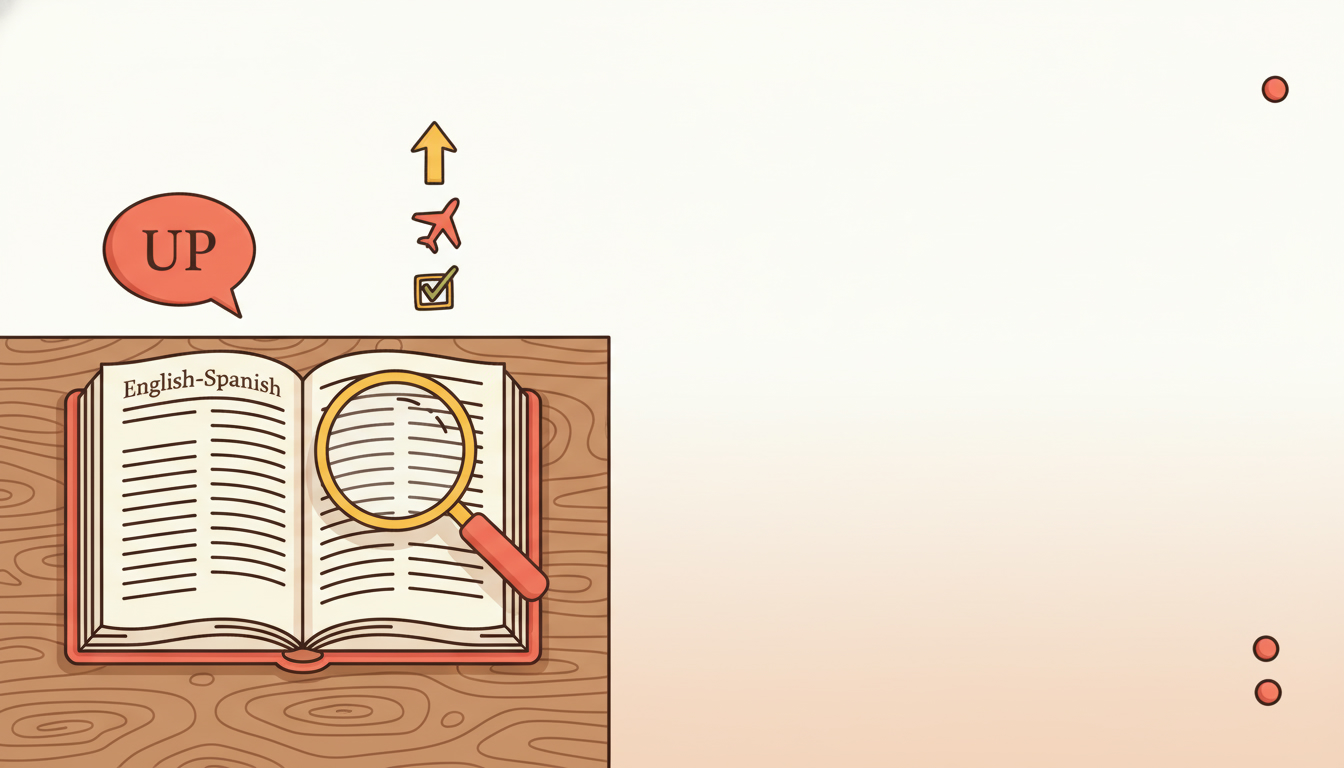
Phrasal Verbs for Spanish Speakers: Why Particles Bite Hardest
Spanish speakers don't need a 200-verb list to master English phrasal verbs. Decode the particle (up = completion, out = revelation) and the rest follows.

知道, 认识, 了解, 懂: Four Mandarin Verbs for 'Know'
English's blanket 'know' maps to four Mandarin verbs: 知道, 认识, 了解, 懂. Pick by the object — fact, person, topic, or concept. One decision tree.

English TH Sounds for French Speakers: Sink, Tink, Zis, Dis
French has no TH, so 'think' becomes 'sink' or 'tink' and 'this' becomes 'zis' or 'dis'. The substitution map and a drill that fixes both sounds at once.
Mainland vs Taiwan Mandarin: Same Words, Different Manners
Mainland and Taiwan Mandarin diverge in vocab, retroflex, erhua, and a politeness register most guides skip. Here's the field guide for learners.
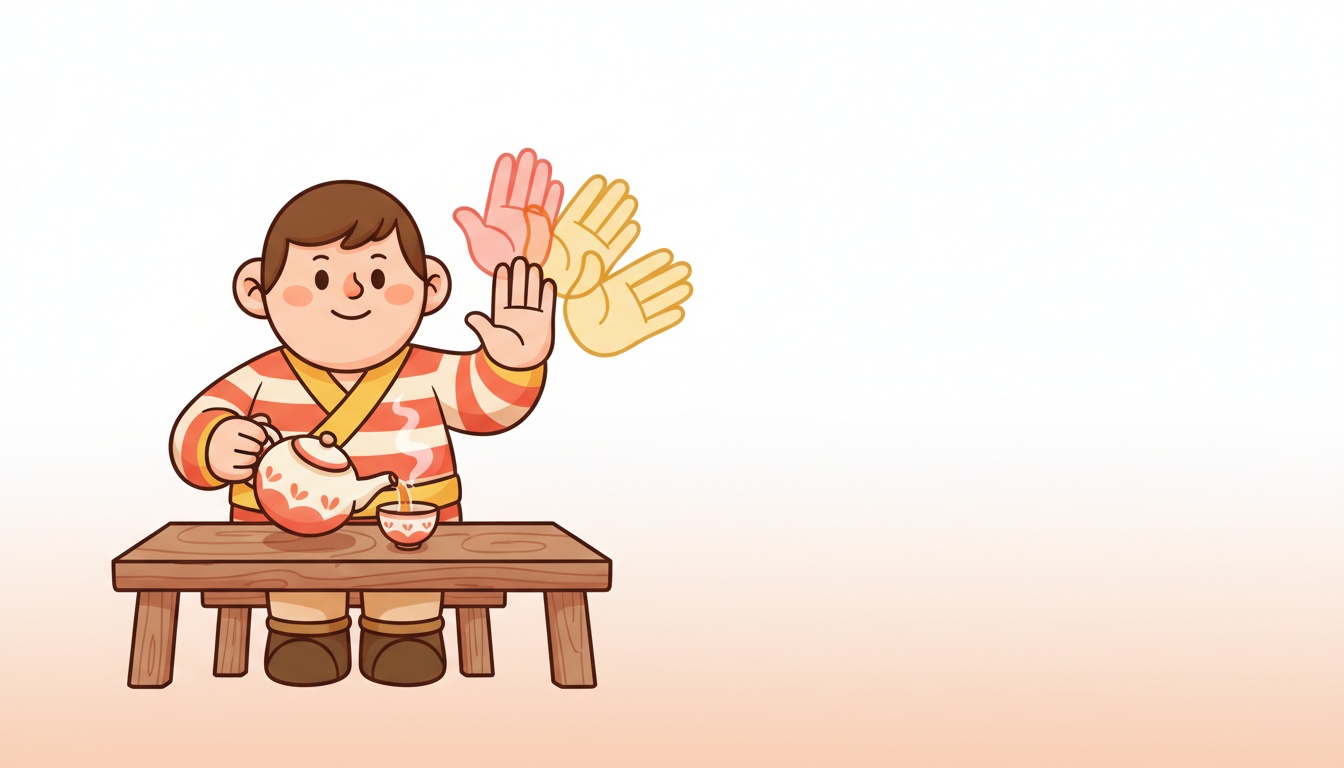
不 vs 没 vs 别: How Mandarin Splits 'Not' Three Ways
Mandarin splits 'not' into 不 (states and habits), 没 (things that didn't happen), and 别 (commands). Forget 'past vs future' — it's about aspect.
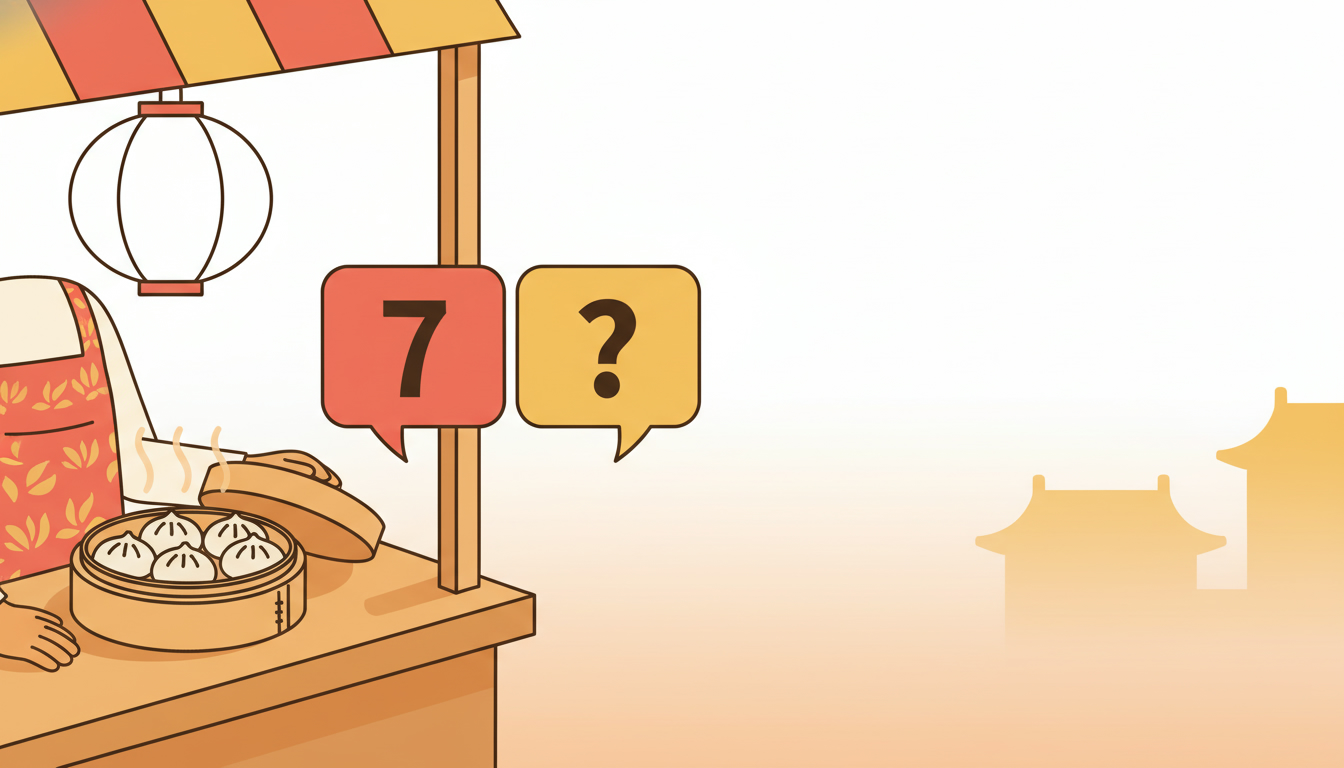
Pinyin Lies: The 4 Pronunciation Traps for English Speakers
q, x, j, and the ghost ü ambush English speakers reading pinyin like English letters. Here's the four-trap fix that makes your Mandarin stop sounding off.
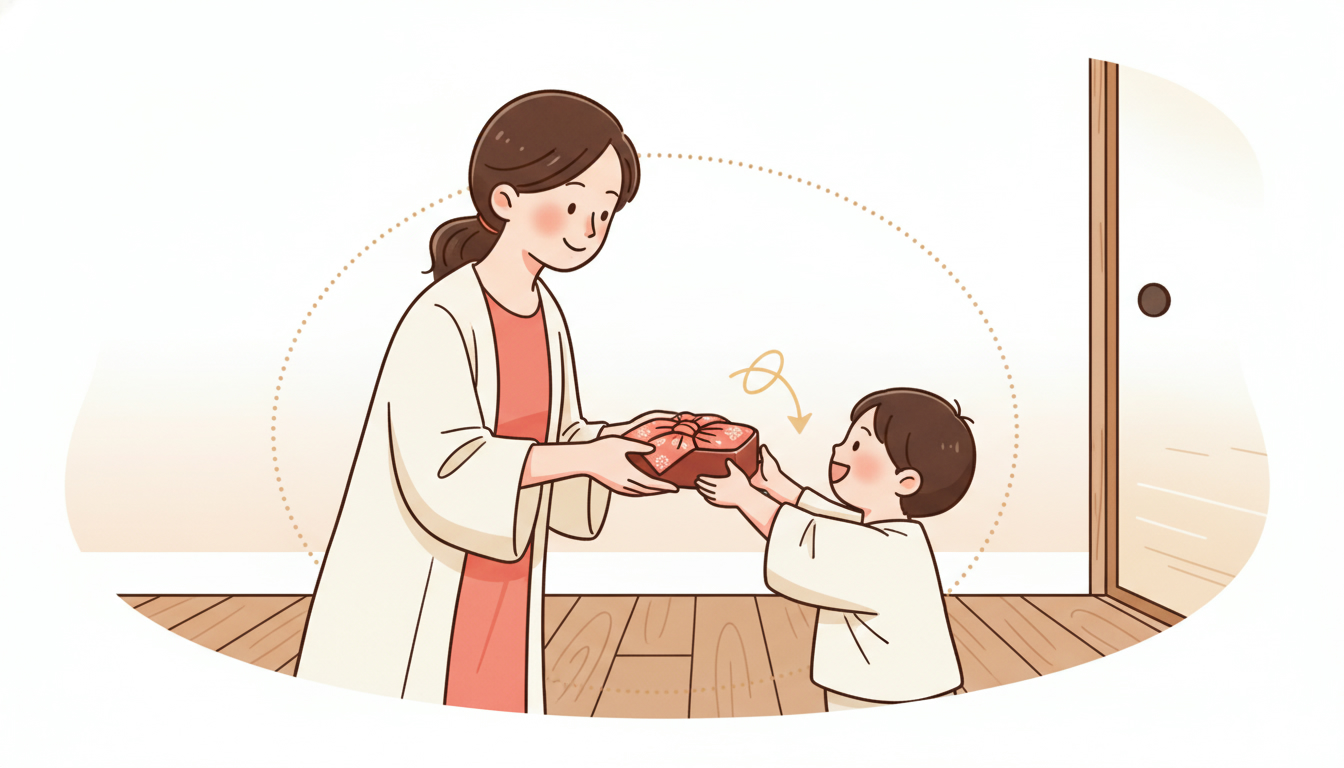
Japanese Giving and Receiving Verbs: Why Mom Forces Kureru
Japanese giving and receiving verbs confuse English speakers who treat family as outsiders. The in-group rule, te-form trap, and politeness grid.
Pero vs Perro: The Spanish R You Already Make in 'Butter'
Spanish has two R sounds, not one. The single R in pero is identical to the T in 'butter' — you already make it. Here's how to land the trill too.

When to Use 把 (bǎ) in Mandarin: The Phrasal-Verb Test
Mandarin's 把 (bǎ) construction has no English equivalent, but it has a tell. If you'd use an English phrasal verb (clean up, put down), reach for 把.

Ser vs Estar: The Permanent/Temporary Rule Is a Lie
Textbooks say ser is permanent and estar is temporary, then 'está muerto' and 'es joven' break the rule. Here's the logic that actually works.

Ты vs Вы & Patronymics: Russian Address Without the Panic
Russian ты vs вы isn't French tu/vous. The pronoun choice locks together with a four-tier name system. Get the combination right with this guide.

Por vs Para: The Cause-or-Goal Test That Beats 8 Rules
Most textbooks teach por and para as eight rules each. There is only one question that matters: cause or goal? Here is how to ask it in real time.

Russian False Friends by Scenario: Магазин Isn't a Magazine
Магазин isn't a magazine, декада is ten days not ten years. A scenario guide to the Russian false friends that ambush English speakers in real life.

Why молоко Sounds Like "Malako": Russian Vowel Reduction Explained
Russian's spelling looks phonetic until stress moves and vowels collapse. Here's what beginners actually mishear in молоко, тебя, and друг, and why.

делать or сделать? Russian Verb Aspect Without the Tables
Russian verbs come in pairs like делать/сделать, and 'process vs result' doesn't tell you which to pick. Here's the rule that actually works.

Russian Cases by Job: What Six Endings Actually Do
Russian cases scare beginners because guides lead with declension tables. Learn what each of the six cases is FOR, and the endings stop fighting you.
은/는 vs 이/가: Four Tests for Korean's Hardest Particle Pair
Four tests for picking 은/는 vs 이/가 in Korean. The real rule is information flow, where the new info lives, and each test follows from that one idea.
Portuguese nasal vowels: why pão doesn't rhyme with pow
English speakers read 'pão' as 'pow' and accidentally order pau at the bakery. Learn Portuguese nasal vowels: minimal pairs, the tilde, and plural traps.

Ser vs Estar vs Ficar: Portuguese's Third 'To Be' Verb
Textbooks teach ser vs estar and stop. Then you hear 'o banco fica na esquina' and freeze. Meet ficar, the third Portuguese copula, with a decision rule.
Japanese pitch accent: why 'no tones' makes you sound flat
English speakers are told Japanese has no tones, but it does have pitch accent. Learn the four patterns, the heiban default, and how to use OJAD.

Konglish Words by Scenario: Real Korean, Not Broken English
Konglish words like 핸드폰, 서비스, and 원피스 aren't broken English; they're legitimate Korean vocabulary. A scenario guide to using them like natives do.

Japanese counters: why 'one pen' is ippon, not ichi-hon
Japanese counter sound changes follow three rules, not thirty exceptions. Learn the p/k/s-row pattern, 12 essential counters, and one escape hatch.
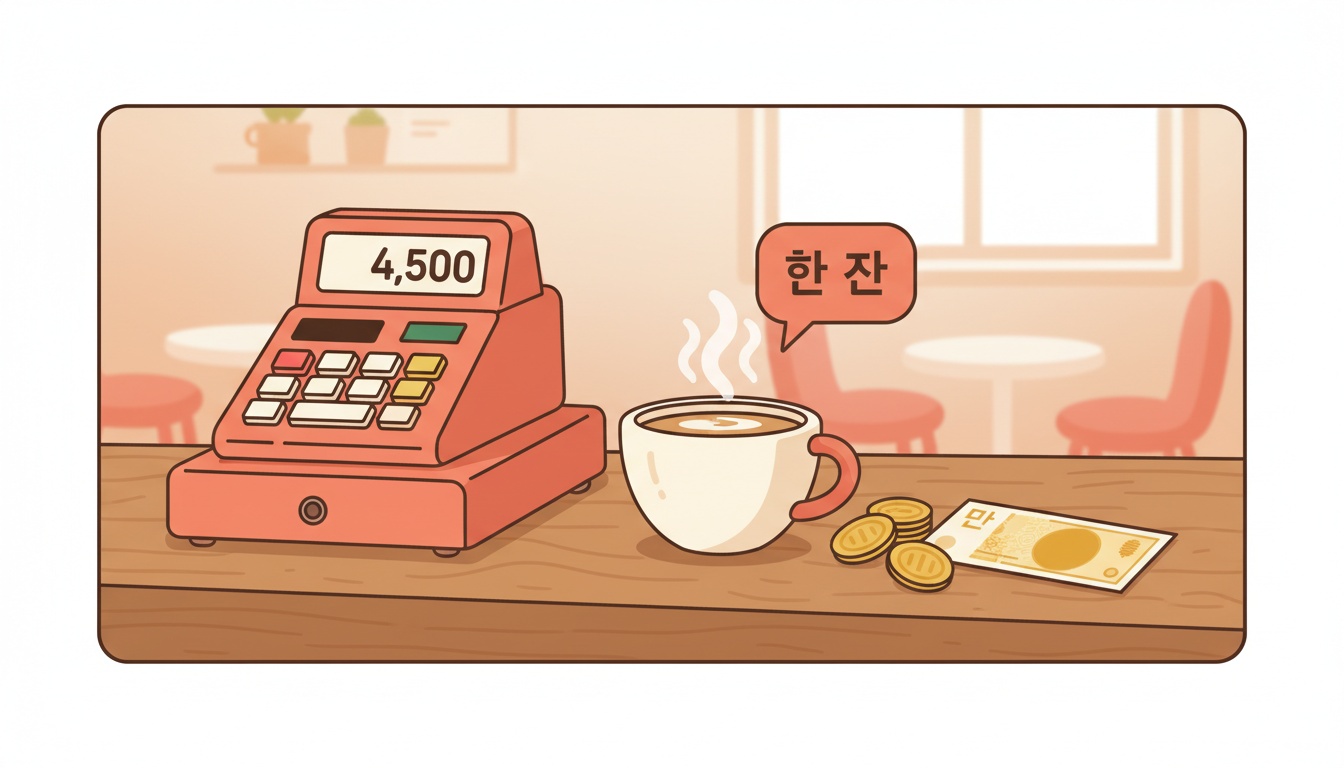
Korean Numbers: Native vs Sino-Korean and When to Use Each
Korean has two number systems and beginners need both. Learn which to use for time, age, money, and ordering with scenario-based rules.
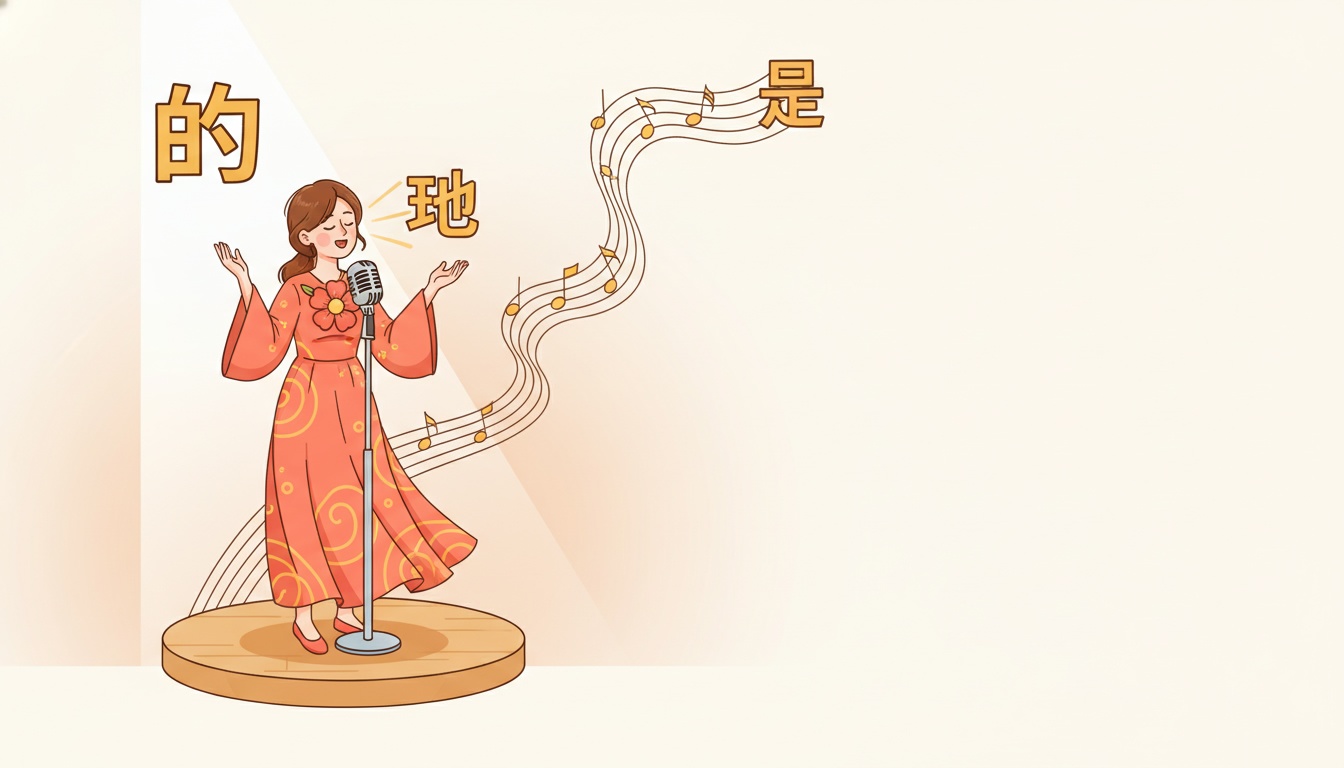
的, 地, 得: The Three Mandarin De Particles by Position
One sound, three characters. Here's how to tell Mandarin's 的, 地, and 得 apart using one position rule, and when native speakers actually care.
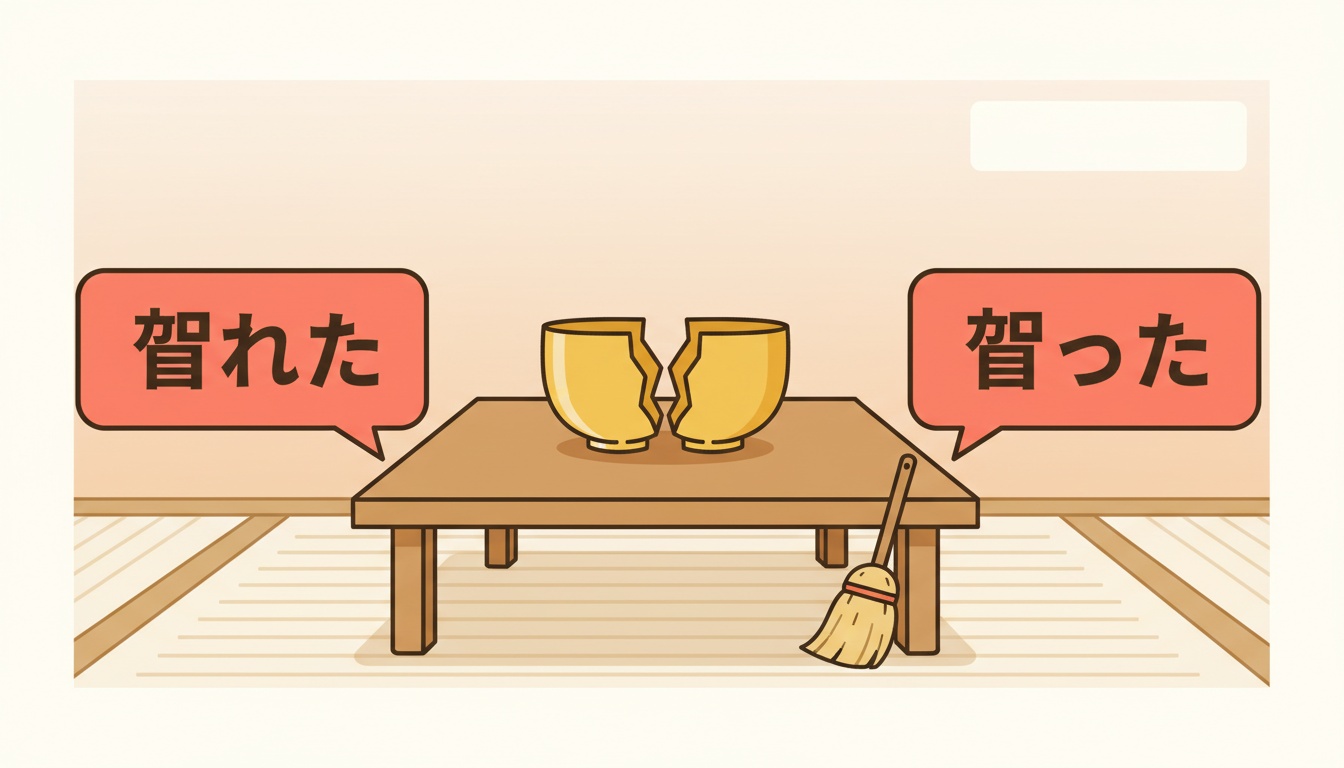
Japanese Verb Pairs: Why the Cup Broke Itself (and You Didn't Break It)
Japanese transitive and intransitive verb pairs trip up every English speaker. Learn the 6 shape families, the particle rule, and why the cup broke itself.

Why You Can Read Korean but Can't Understand It
Korean batchim rules reshape sounds at syllable boundaries. Learn the 7 final consonants and sound changes that unlock listening comprehension.

会, 能, 可以: Three Ways to Say 'Can' in Mandarin
Mandarin has three words for 'can': 会, 能, and 可以. Each makes a different social claim. Here's how to pick the right one under pressure.

は vs が: Four Rules for Picking the Right Japanese Particle
Japanese は and が both get called 'subject marker,' and that shortcut is what breaks your sentences. Four rules that tell you which to pick, every time.
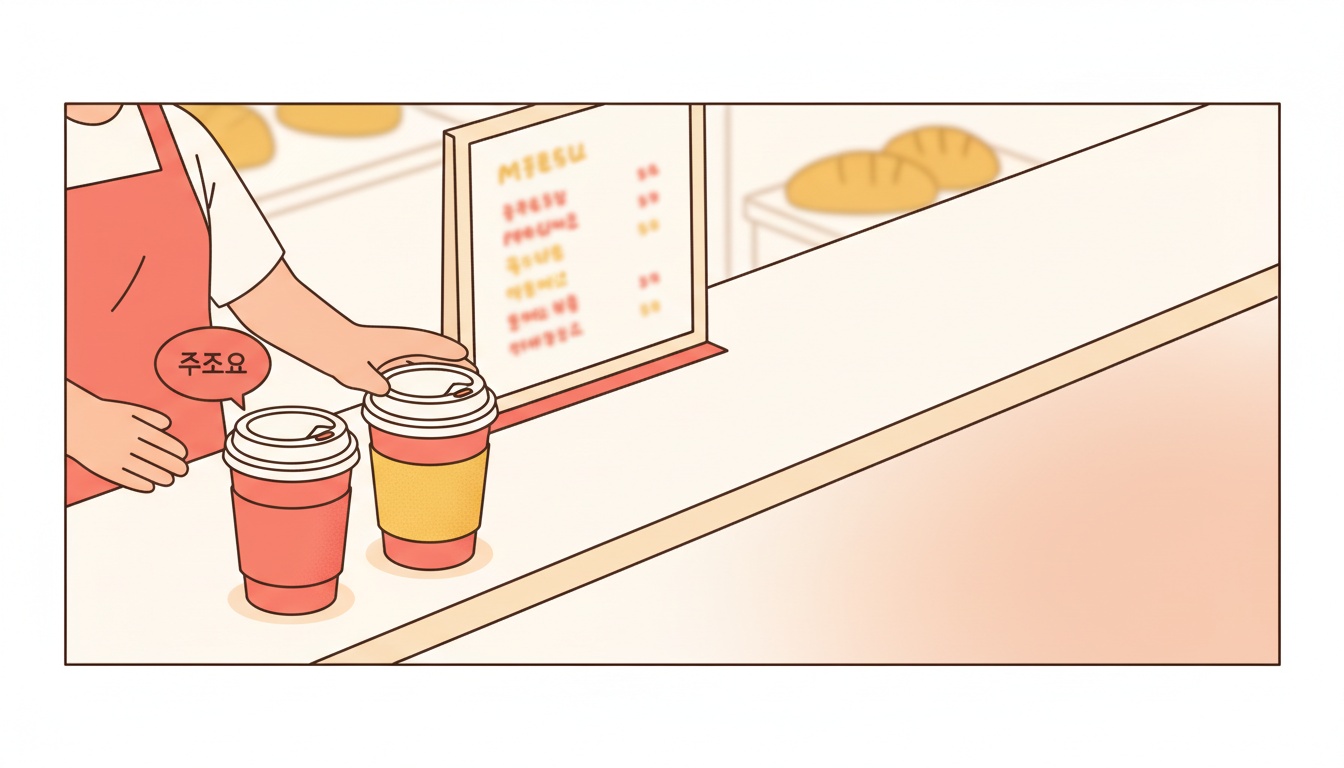
반말 vs 존댓말: Korean Speech Levels Without the Seven-Chart Panic
Korean speech levels terrify beginners, but real conversations use two. Learn -요 and -습니다 plus the one phrase that lets you switch safely.
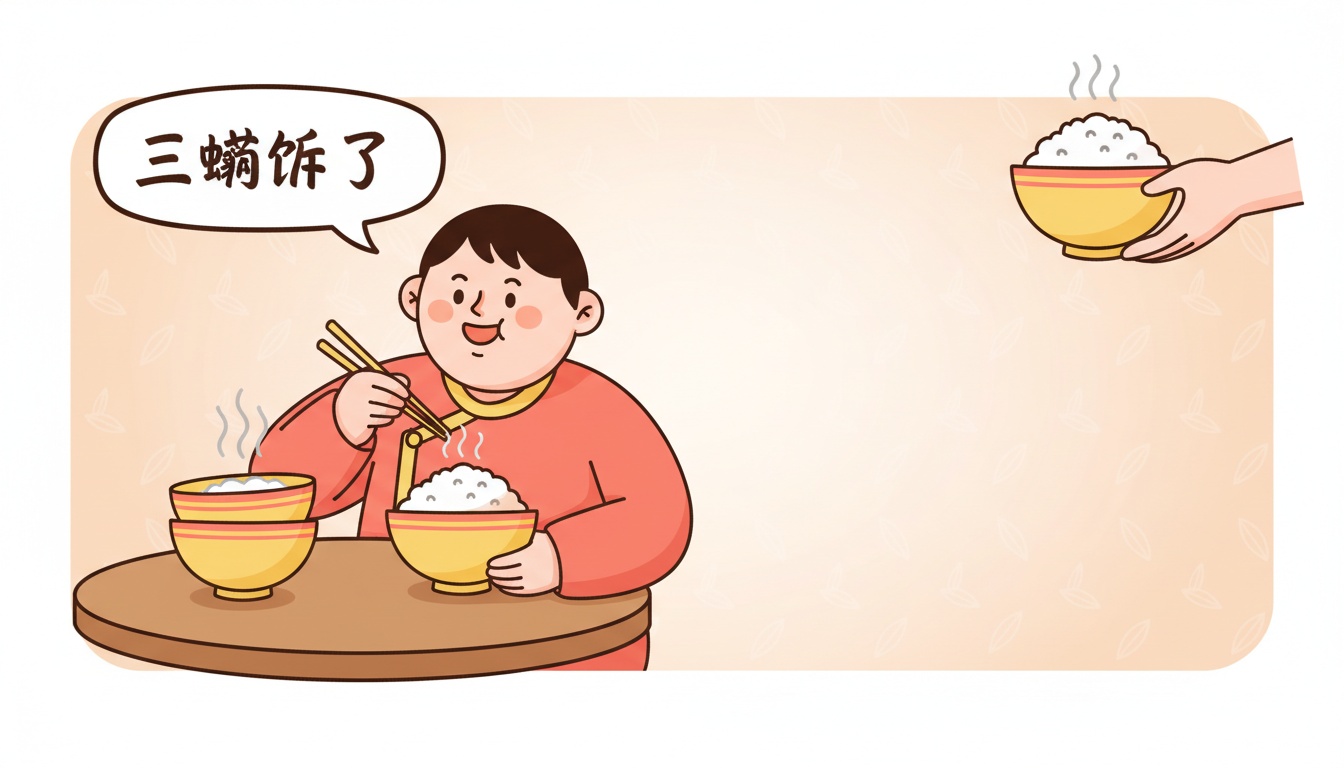
了 Is Not Past Tense: The Mandarin Particle Textbooks Get Wrong
If your textbook said Mandarin 了 (le) is past tense, that's why your sentences keep breaking. Here's what 了 actually does, and when to leave it out.

Portuguese False Cognates: The Words That Ambush You by Scenario
Portuguese false cognates trip English speakers (and Spanish speakers) right when they matter most. Where they ambush you: pharmacy, café, office, travel.
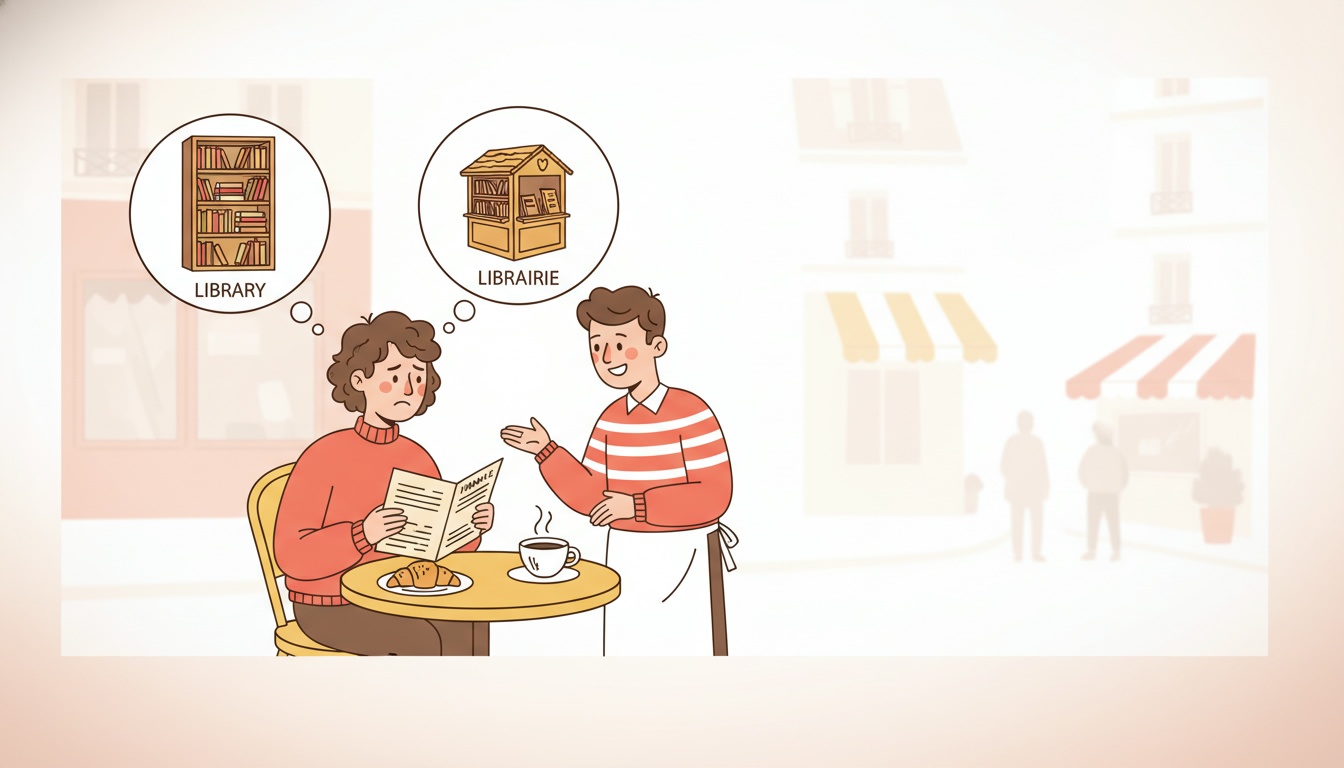
French False Cognates: The Faux Amis That Ambush You by Scenario
French false cognates trip you up the moment you need them. Where faux amis ambush English speakers: café, office, pharmacy, bookstore, family, and what to say instead.
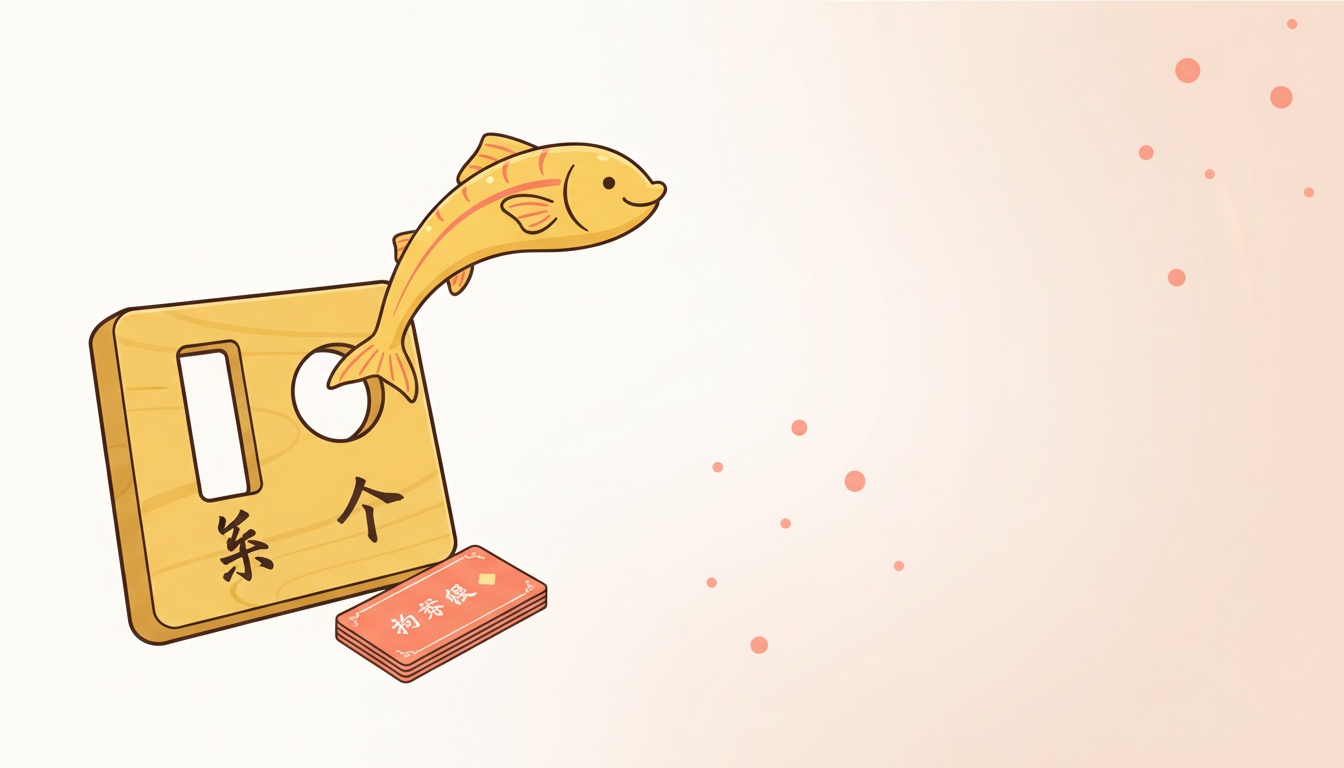
Mandarin Measure Words Beyond 个: A Shape-and-Function Guide
Stop saying 个 for everything. Learn the 12 Mandarin measure words, grouped by shape and function, that cover most daily speech and sound native.

Mother, Horse, Hemp, Scold: Why Mandarin Tones Trip Up Beginners
The mā/má/mǎ/mà trap is real, but Mandarin tones click once you stop chasing pitches and start hearing rhythm. Here's what beginners miss.

Spanish False Cognates: The Words That Ambush You by Scenario
Spanish false cognates trip you up the moment you need them. Where they ambush English speakers: pharmacy, office, dinner, and what to say instead.

5 Ways to Improve Your Spanish Listening
Practical strategies for building listening comprehension at any level, from podcast recommendations to the shadowing technique.